
Research
We work at the forefront of nuclear physics research, exploring the fundamental interactions of nature. We investigate the underlying mechanisms governing quantum many-body nuclear systems and the role of nuclei in stellar environments. We develop innovative detectors and advanced electronics, and lead experiments at major nuclear physics laboratories worldwide.
Our research is carried out within the National Institute for Nuclear Physics (INFN) and the University of Florence. INFN is the Italian research agency dedicated to the study of the fundamental constituents of matter and the laws governing them, under the supervision of the Ministry of Education, University and Research (MIUR). The institute was founded to uphold and further develop the scientific tradition established in the 1930s by Enrico Fermi and his school. The University of Florence is a public Italian research university comprising 12 schools and approximately 50,000 enrolled students. Founded in 1859, it was recognized as a full-fledged university by the government of newly unified Italy in 1860.


Our Tools
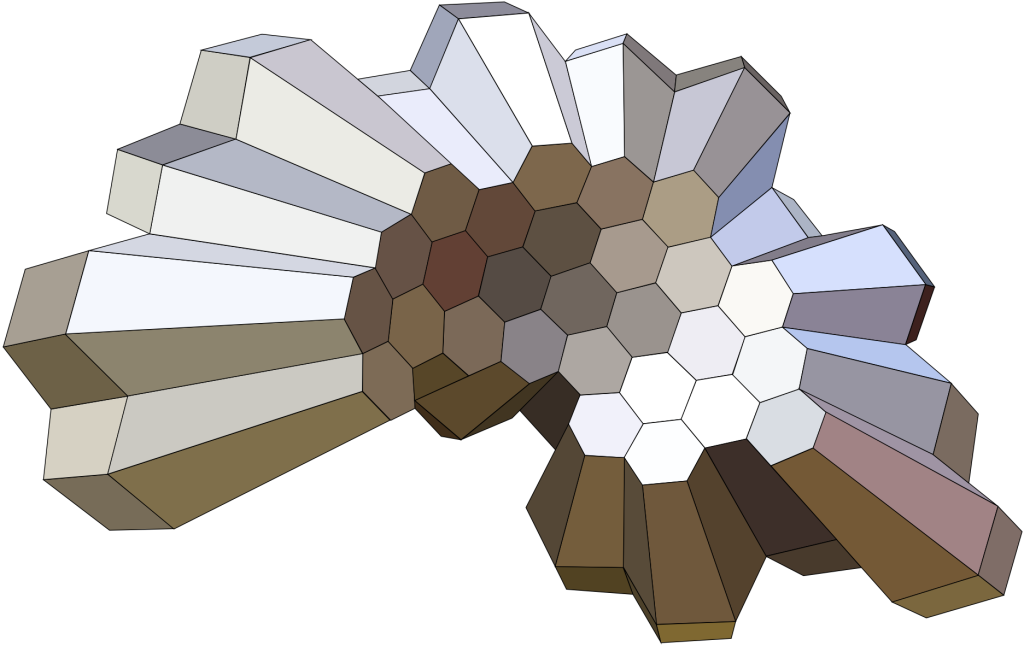
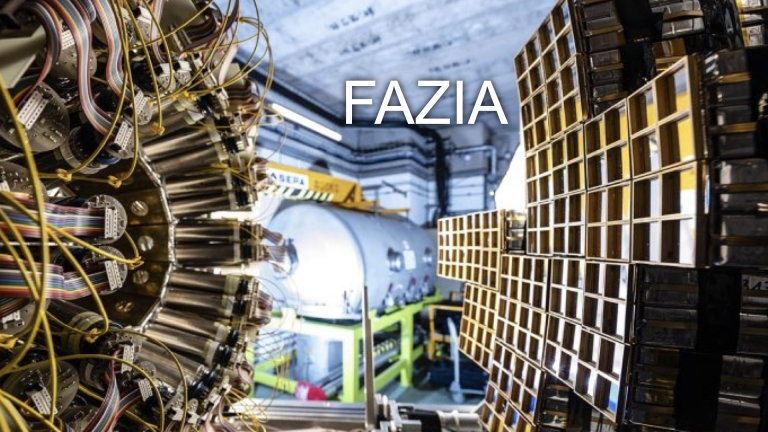
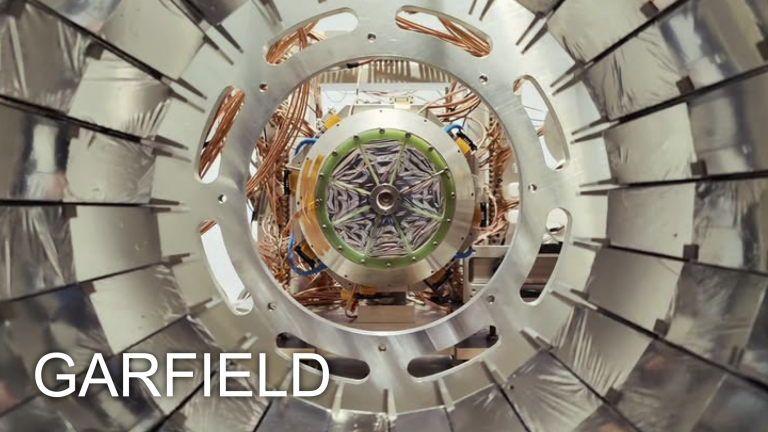
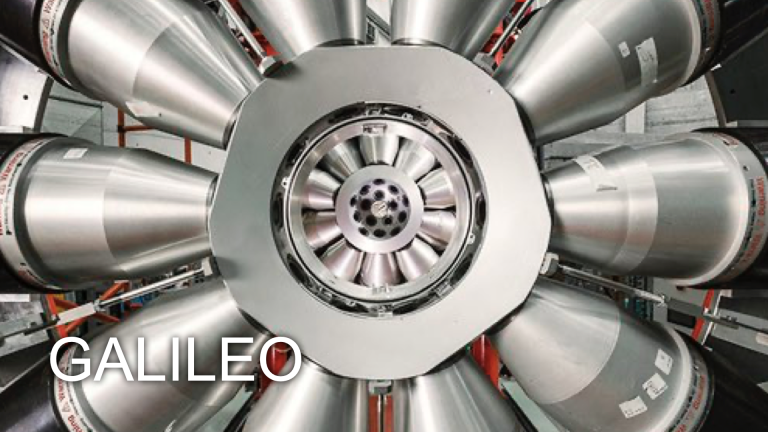
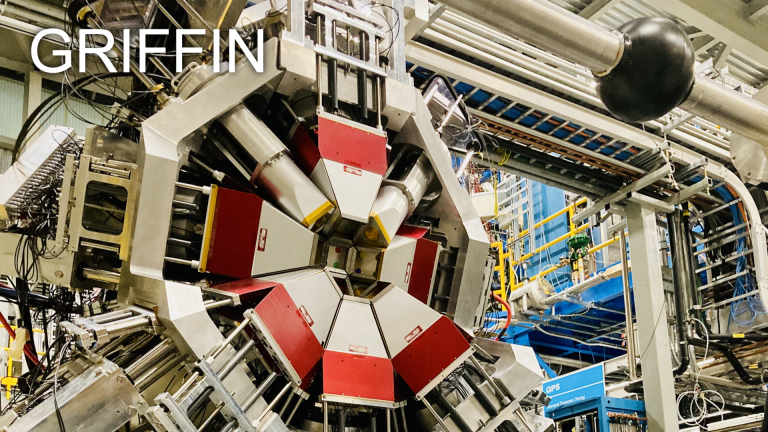
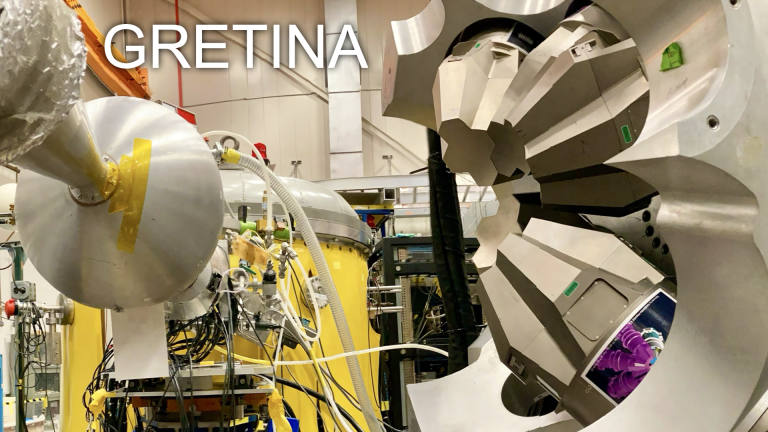
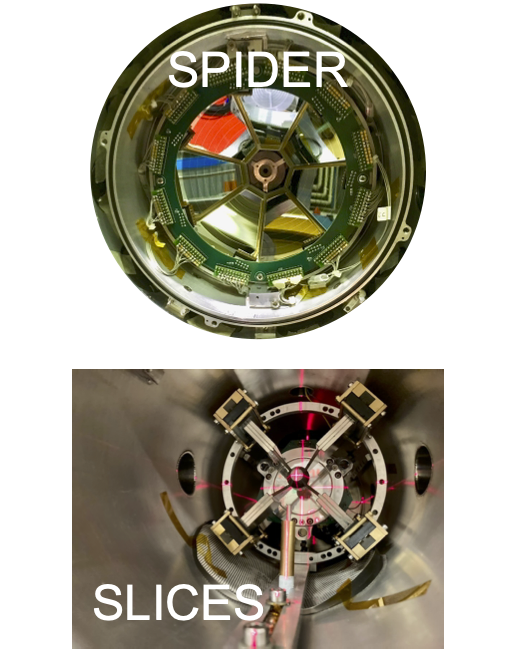
We perform experiments using some of the most advanced instruments in the world. For several of these, we are actively involved in their development, including FAZIA, SPIDER, and SLICES.



Our International Collaborations
Our research is carried out within international collaborations, involving a diverse range of institutions and countries depending on the project. Through these activities, we regularly meet new colleagues and build professional networks across five continents. Our strongest collaborations—characterized by interactions on a monthly basis or more frequently—are with partners in Canada, France, Germany, Poland, South Korea, Spain, the UK, and the USA.

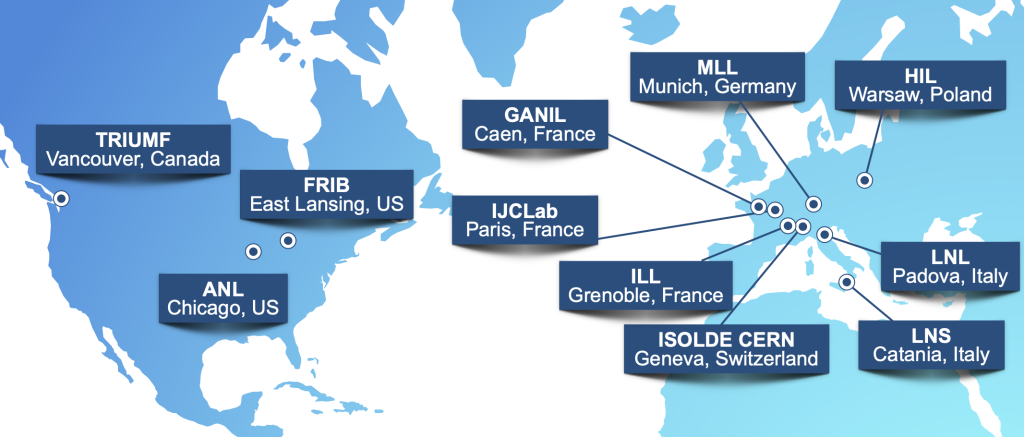
Our Labs
Our primary reference laboratories are INFN–LNL (Padova, Italy) and INFN–LNS (Catania, Italy). We also carry out experiments at other nuclear physics laboratories worldwide.
Active Projects
ARDE – Neural Network Algorithms for Discrimination of Electrons and Gamma-Rays
Project funded by INFN CSN5 Grants
Principal investigator: Naomi Marchini
The ARDE project’s goal is to conduct a comprehensive investigation into methods for distinguishing between electrons and gamma rays of nuclear origin in semiconductor detectors. The identification and measurement of these electrons, especially their energy determination, hold significant importance in both fundamental and applied physics research. Such studies encompass endeavours like exploring electric monopole transitions between nuclear states, which shed light on quantum phenomena like the coexistence of nuclear shape and nucleosynthesis of elements in stars, or detecting beta particles in radionuclides used for medical applications. One of the primary challenges in these measurements is the background contribution caused by gamma rays emitted during the de-excitation of the nuclear states under examination or due to natural radiation. ARDE aims to investigate techniques to substantially reduce this background in semiconductor electron detectors, mainly Si(Li) detectors, by leveraging signal shape analysis. These techniques will pioneer the integration of machine learning methodologies for gamma-ray and electron discrimination, enabling the simultaneous utilisation of all the information contained in the collected signals. A successful outcome of this project will establish the foundation for similar advancements in the medical field and rare event physics.
Contact: Naomi Marchini (naomi.marchini@fi.infn.it)
BeGam – Detector for Discrimination of Electrons and Gamma-Rays for Radiopharmaceuticals
Project funded by Italian PRIN – Project of Relevant National Interest
Group principal investigator: Adriana Nannini
The BeGam project addresses the isotopic purity of radiopharmaceuticals used in medical diagnostics from tomographic and planar imaging techniques. These techniques give the spatial distribution of a molecular probe labelled with a radionuclide and injected into the patient’s body. After the injection, the outcoming radioactivity is registered by specific energy and space-sensitive detectors displaced outside the patient’s body; for this reason, the use of radionuclides having a gamma emission associated with their beta decay is in order. The aim of BeGam is the design and implementation of a portable and versatile setup, allowing for the detection of undesired pure beta emitter contaminants (which decay from ground state to ground state) inside the radiopharmaceutical. Such contaminants increase the dose absorbed by the patient, worsen the quality of the obtained image, and cannot be easily identified by employing commonly used dose calibrators.
The project is a collaboration with the Careggi Hospital in Florence, where the radionuclide will be produced at the GE MiniTrace 9.6 MeV cyclotron.
Contact: Adriana Nannini (adriana.nannini@fi.infn.it)

Probing Nuclear Vibrations: Revisiting a Fundamental Paradigm
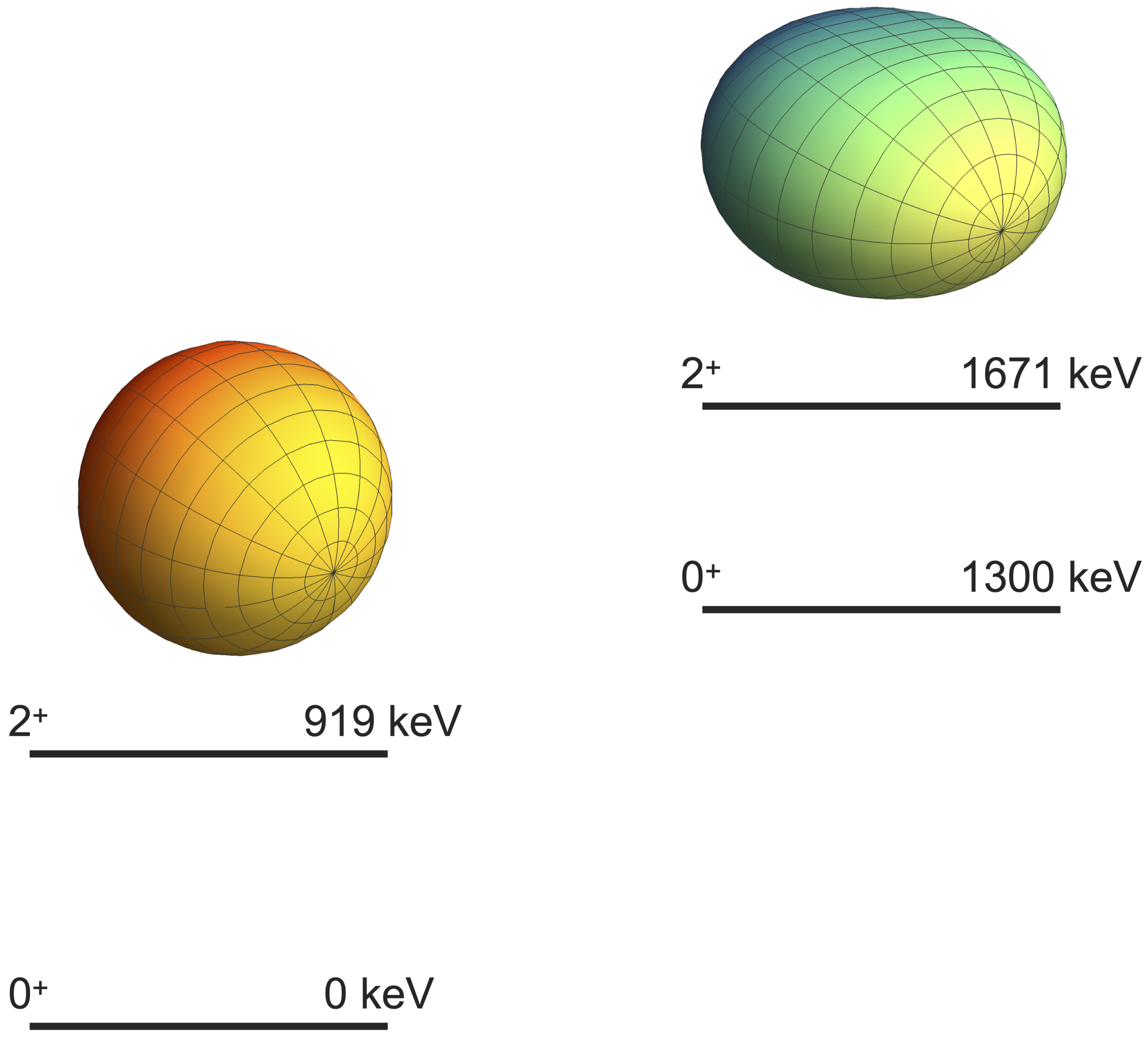
Nuclear vibrations are one of the fundamental modes of excitation in atomic nuclei and have played a central role in the theoretical understanding of nuclear structure since the early models of Bohr and Mottelson. These collective oscillations of the nuclear surface have long been considered a universal feature of the low-energy spectrum of atomic nuclei, deeply connected to their shape and symmetry properties. However, in recent years, the validity and ubiquity of vibrational excitations have been questioned by new experimental evidence and refined theoretical models, suggesting that vibrational modes may not be as common or as harmonic as traditionally assumed.
Our research group is actively involved in this line of investigation, aiming to clarify the true nature of nuclear vibrations and their role in shaping the structure of atomic nuclei. To this end, we carry out precision experiments at leading international facilities, including TRIUMF in Canada, INFN-LNL in Italy, and Argonne National Laboratory in the United States. These studies are particularly focused on transitional nuclei, where the presence or absence of vibrational modes can signal changes in nuclear shape and symmetry.
Ultimately, understanding the vibrational behaviour of nuclei is key to addressing a fundamental question in nuclear physics: are nuclei spherical, deformed, or something in between?
Contact: Adriana Nannini (adriana.nannini@fi.infn.it)

FAZIA (Forward A and Z ion Identification Array)
The FAZIA project unites over ten institutions specializing in nuclear physics, actively engaged in the study of heavy-ion-induced reactions near and below the Fermi energy. While the project’s primary groups are based in Italy and France, collaboration extends to researchers from Spain, Poland, and South Korea.
The project aims to conduct experiments utilizing a charged particle detector characterized by a wide solid angle coverage, excellent granularity, and high temporal resolution. FAZIA is specifically designed to maximize the isotopic separation of detected ions, employing both stable and radioactive ion beams. This capability facilitates the exploration of the thermodynamics and dynamics of exotic nuclei, delving into the isospin degrees of freedom (linked to the neutron-to-proton ratio) of nuclear matter. Additionally, the project sheds light on their role in the nuclear equation of state under high temperatures and nuclear densities, far from saturation.
Within the Fermi energy range (20-50 MeV/nucleon), a rich phenomenology is observed, ranging from binary reactions in peripheral collisions to multifragmentation events in central collisions. The reaction mechanism is influenced by both mean-field effects and nucleon-nucleon collisions. The theoretical framework predominantly relies on transport models, which have achieved considerable success, yet several crucial aspects still elude a complete modelling description.
The FAZIA project thus serves as a critical platform for experimental and theoretical investigations, pushing the boundaries of our understanding of nuclear matter and providing valuable insights into the complex dynamics of exotic nuclei.
Contacts: Simone Valdré (simone.valdre@fi.infn.it), Giovanni Casini (giovanni.casini@fi.infn.it)
Shape and Structure of 130Te and 130Xe Relevant to Neutrinoless Double-Beta Decay
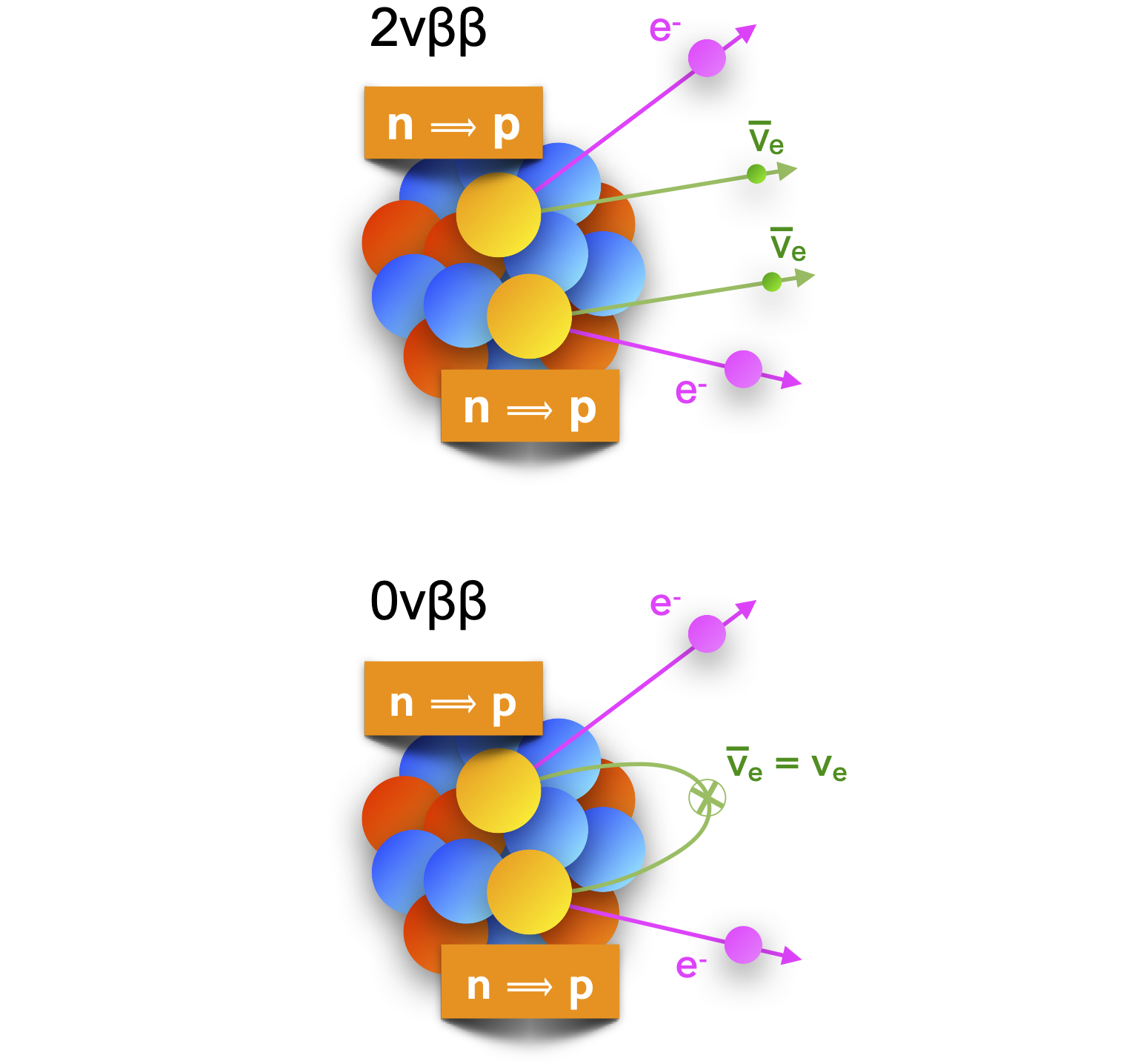
The neutrinoless double-beta decay (0νββ) is a hypothesized, extremely rare nuclear transition that can only occur if neutrinos are massive Majorana particles. The process violates lepton number conservation and is therefore forbidden by the Standard Model. If observed, this decay would provide crucial insight into the nature of neutrinos, open up new avenues in fundamental physics, and potentially help explain the origin of the matter-antimatter asymmetry in the Universe. Accurate knowledge of nuclear structure is essential for calculating the nuclear matrix element (NME) involved in 0νββ decay. Among the nuclei accessible for double-beta studies, 130Te is an outstanding experimental candidate and has been chosen by two international collaborations: CUORE in Italy and SNO+ in Canada. Different theoretical approaches, such as the Beyond-Mean-Field method and the Shell Model, suggest that 0νββ decay is favored when the parent ground state and the daughter state have similar shapes, with an enhanced decay rate if both are spherical. However, predictions for the shapes of the states involved in the 0νββ 130Te → 130Xe decay differ among theoretical models. For this reason, we initiated an experimental campaign to determine the shape of the states involved in the 0νββ 130Te → 130Xe decay and, in particular, to investigate the impact of shape coexistence on the decay. To achieve these goals, experiments have been performed using low-energy Coulomb excitation and complementary techniques at INFN-LNL (Italy), TRIUMF (Canada), ANL (USA), and MLL (Germany).
Contact: Marco Rocchini (marco.rocchini@fi.infn.it)
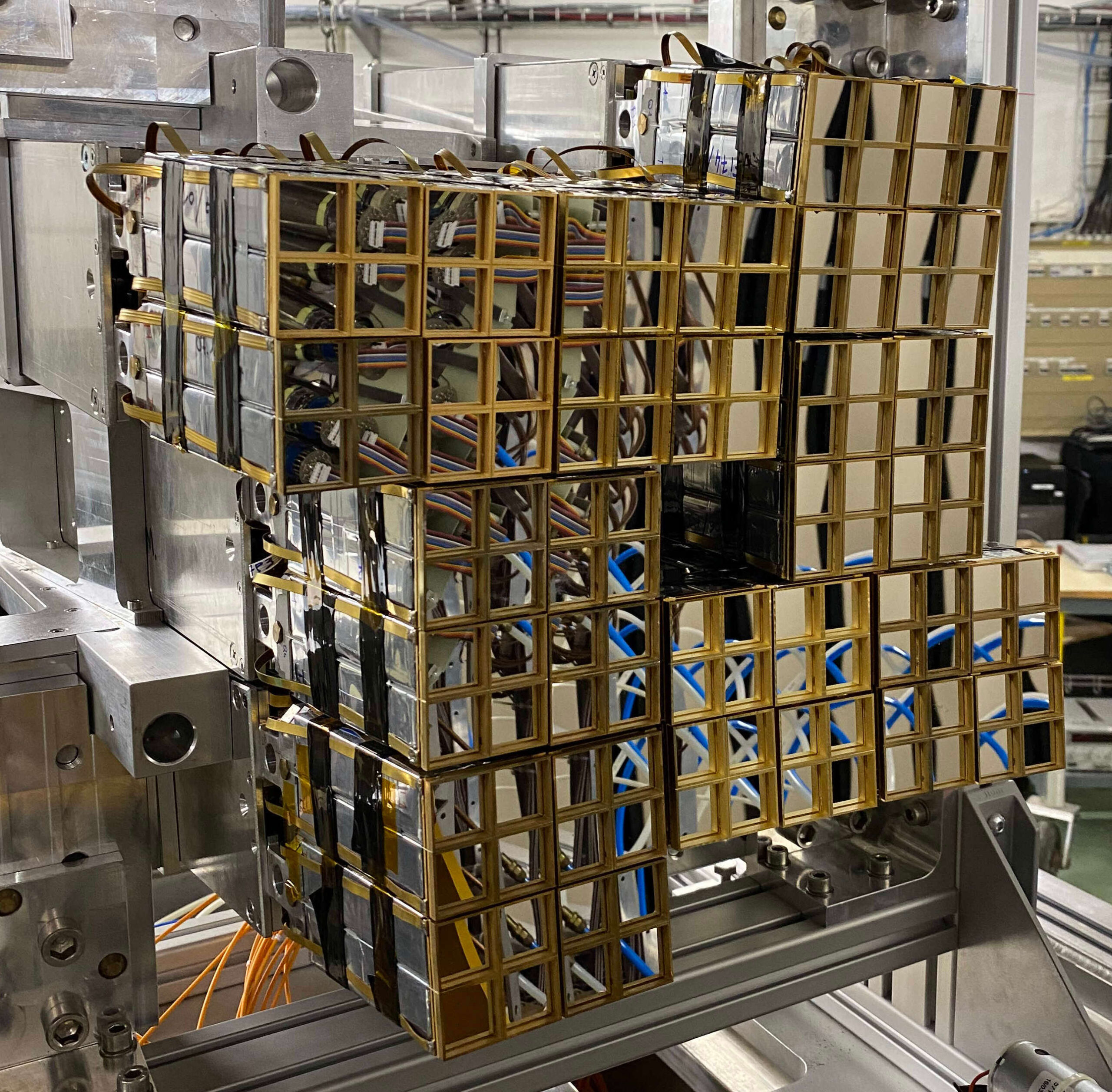
Development of New Semiconductor Devices for Nuclear Physics Studies with Radioactive Beams at SPES
Recent advancements in High-Purity Germanium (HPGe) detectors and facilities for Radioactive Ion Beam (RIB) production and acceleration provide access to the most exotic regions of the nuclide chart. Several intriguing phenomena related to nuclear structure have been discovered in recent years, and our understanding of the nucleon-nucleon interaction, which in turn improves knowledge of the strong interaction, continues to advance. However, additional devices are needed to fully exploit the capabilities of these new technologies and to apply specific nuclear spectroscopy techniques. In this project, we develop new detectors and devices primarily designed for RIB experiments, but they can also be used in experiments with stable beams.
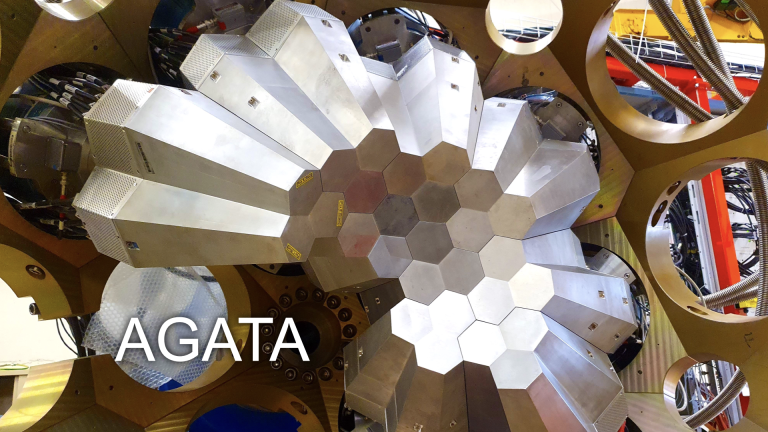
Within the framework of the INFN facility for RIB production and acceleration, SPES, we developed a segmented silicon detector for heavy ions, SPIDER. The detector has already been used in numerous experiments with stable beams at the INFN-LNL laboratories, coupled with the GALILEO and AGATA HPGe arrays. It is mainly designed for the low-energy Coulomb excitation technique but has also been employed in experiments using other types of reactions.
Another development underway is SLICES, an innovative spectrometer for internal conversion electrons. The instrument is based on a custom-made, large-area segmented Si(Li) detector coupled to a system of magnetic lenses and has been designed for use at the beta-decay station of SPES.
The first RIBs from SPES are expected within the next few years, and SPIDER and SLICES will be among the first instruments deployed in the experimental campaigns.
Contact: Adriana Nannini (adriana.nannini@fi.infn.it)
Clustering in Atomic Nuclei
This project studies nuclear clustering, where nucleons group together within atomic nuclei. These clusters appear across different mass regions and isotopes, and their formation is not yet fully understood. An international team of physicists from multiple institutions works together to explore the conditions and characteristics of these clustered configurations using advanced experimental techniques.
Researchers investigate various forms of clustering, from alpha-like arrangements in light nuclei to more complex structures in heavier isotopes. Sophisticated detectors and innovative methods help identify the dynamics that lead to these formations.
Theoretical models based on quantum mechanics and nuclear forces guide the interpretation of experimental data, helping to explain the stability and energetics of clusters. The project refines existing models and develops new approaches to improve our understanding of nuclear clustering.
Beyond advancing fundamental nuclear physics, this research has implications for astrophysics, including nucleosynthesis in stars. Studying clustering helps reveal how nuclear forces, shell structure, and collective effects shape the behavior of atomic nuclei.
Contact: Alberto Camaiani (alberto.camaiani@fi.infn.it)

Type-I and Type-II Shell Evolution in the Zirconium Isotopes
The structure of neutron-rich nuclei with masses around 100 provides some of the best examples of the interplay between microscopic and macroscopic effects in the many-body nuclear system. In these nuclei, collectivity evolves rapidly with Z and N, with evidence of shape coexistence arising from different configurations.
State-of-the-art Monte Carlo Shell Model calculations have explained the presence of multiple shapes at low energy in the zirconium isotopic chain due to the interplay between the so-called type-I and type-II shell evolution. Type I involves a reorganization of the shell structure of the nucleus as neutrons are added. Single-particle energies can change depending on which orbitals are occupied, producing configurations with shapes distinct from the ground state. In type-II shell evolution, the mechanism is similar, but particle excitations lead to different occupations within the same nucleus.
This interpretation also has implications for quantum systems beyond the nucleus. The dramatic change in the ground state shape from 98Zr to 100Zr represents a quantum phase transition, where the control parameter is the number of neutrons and the macroscopic quantity that changes is the shape. Furthermore, the stability of shape-coexisting configurations within the same nucleus may be related to a phenomenon similar to self-organization, observed in many other fields, including physics, chemistry, biology, robotics, and social sciences.
While this explanation is supported by an excellent reproduction of certain nuclear properties, the shapes of the low-lying states in zirconium isotopes remain unknown. Therefore, this project aims at a detailed characterization of the shapes and mixing of low-lying states in zirconium isotopes using low-energy Coulomb excitation and complementary techniques. Experiments have been performed at the INFN-LNL (Italy), TRIUMF (Canada), and MLL (Germany) laboratories.
Contacts: Naomi Marchini (naomi.marchini@fi.infn.it), Marco Rocchini (marco.rocchini@fi.infn.it)