Students
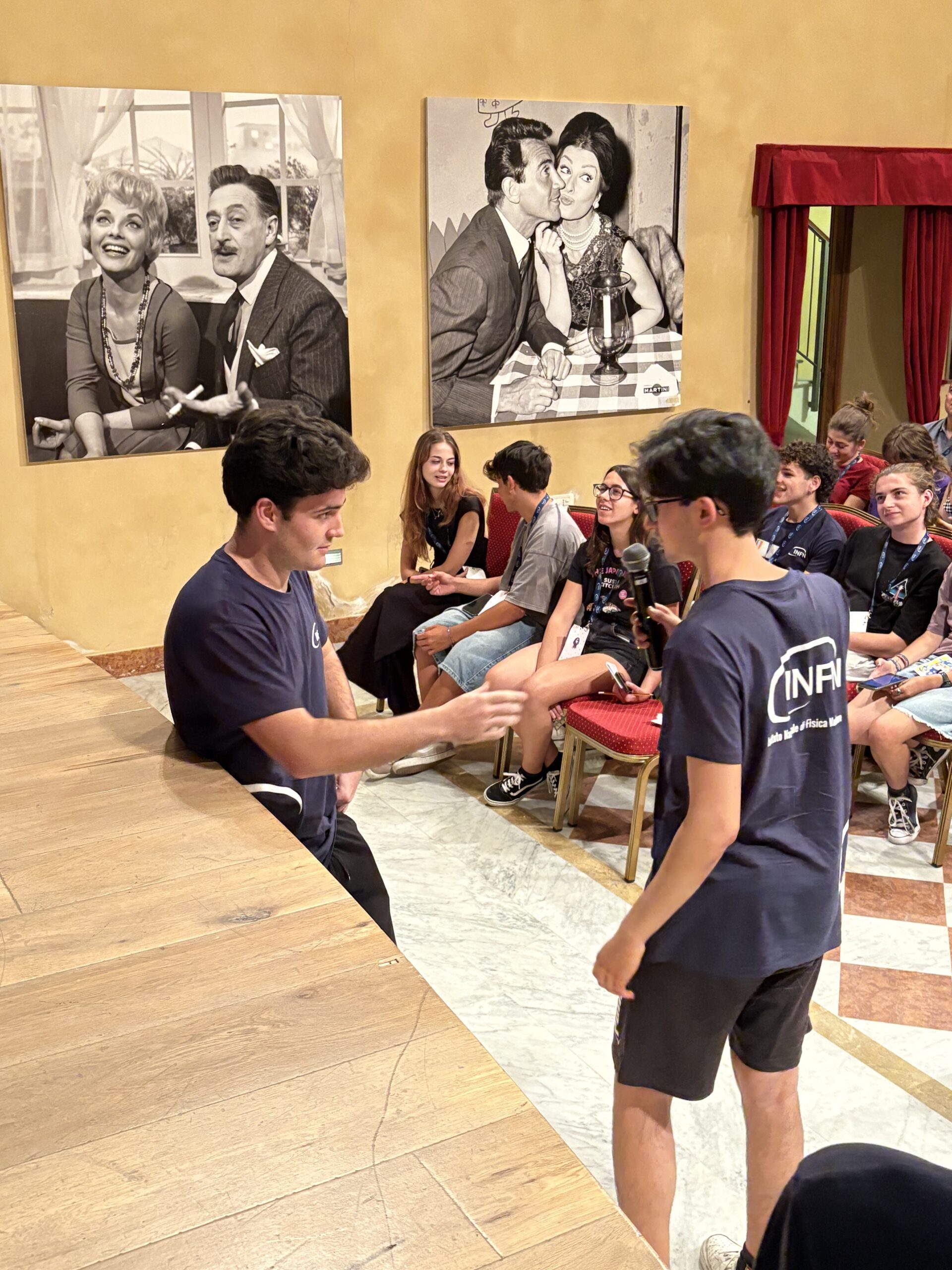
100 students were selected through a public selection process organized by INFN
Teachers
20 teachers were selected through various public engagement initiatives promoted by INFN
researchers
All INFN staff and affiliates (22 people) contribute to the lab activities and seminars of the summer camp
About INFN
Istituto Nazionale di Fisica Nucleare
Founded in 1951, the Italian Institute for Nuclear Physics is the public research institute that has taken up the scientific legacy of Enrico Fermi and the “Via Panisperna boys” and continued their studies.
For more than seventy years, it has conducted cutting-edge research. As a result, it is now internationally recognised as one of the most prestigious scientific institutions in the field of nuclear, particle, and astroparticle physics, as well as in developing technologies for research and their applications to benefit society. All this is possible thanks to the commitment and training of its community, more than six thousand people who work in the scientific, technological, technical, and administrative areas.
2026 partners
The 2026 edition features LNGS as scientific partners.
INFN
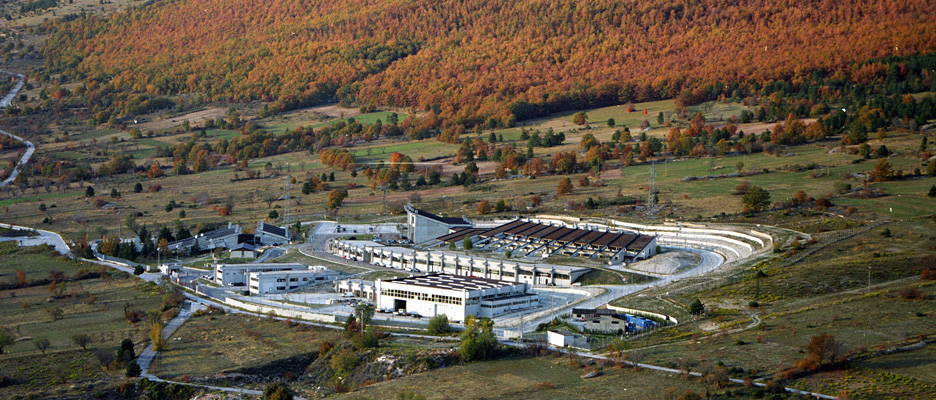
Gran Sasso National Laboratory (LNGS) is one of the four national laboratories of INFN (National Institute for Nuclear Physics).
The other laboratories of INFN are based in Catania, Frascati (Rome) and Legnaro (Padua); the whole network of laboratories house large equipment and infrastructures available for use by the national and international scientific community.
The National Institute for Nuclear Physics (INFN) is the Italian research agency dedicated to the study of the fundamental constituents of matter and the laws that govern them, under the supervision of the Ministry of Education, Universities and Research (MIUR). It conducts theoretical and experimental research in the fields of subnuclear, nuclear and astroparticle physics.
It was founded in 1951 by groups of researchers from the universities of Rome, Padua, Torino and Milan. It consists of 20 Divisions, 4 National Laboratories and 3 National Centres, namely the Center for Telematics and Informatics (CNAF), the National Center for Advanced Studies Galileo Galiei Institute(GGI) in Florence, the Center for Technology TIFPA in Trento.
INFN plays a key role in the Italian scientific research community; its workforce includes about 2000 of its own employees, almost 3000 university employees involved in INFN research and 1500 young researchers.
LNGS
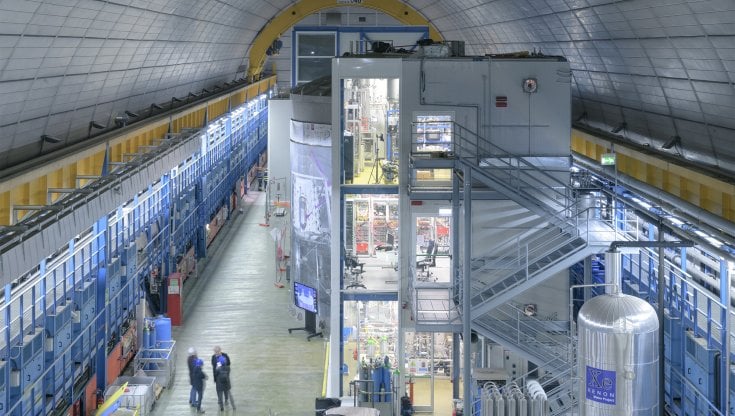
INFN Gran Sasso National Laboratory (LNGS) is the largest underground laboratory in the world devoted to neutrino and astroparticle physics, a worldwide research facility for scientists working in this field of research, where particle physics, cosmology and astrophysics meet. It is unequalled anywhere else, as it offers the most advanced underground infrastructures in terms of dimensions, complexity and completeness.
LNGS is funded by the National Institute for Nuclear Physics (INFN), the Italian Institution in charge to coordinate and support research in elementary particles physics, nuclear and sub nuclear physics
Located between L’Aquila and Teramo, at about 120 kilometres from Rome, the underground structures are on one side of the 10-kilometre long highway tunnel which crosses the Gran Sasso massif (towards Rome); the underground complex consists of three huge experimental halls (each 100-metre long, 20-metre large and 18-metre high) and bypass tunnels, for a total volume of about 180.000 m3.
Access to experimental halls is horizontal and it is made easier by the highway tunnel. Halls are equipped with all technical and safety equipment and plants necessary for the experimental activities and to ensure proper working conditions for people involved.
CC3M
The CC3M (Third Mission Coordination Committee) of the Istituto Nazionale di Fisica Nucleare is the institutional body responsible for coordinating national initiatives that promote scientific culture, education, and public engagement. It strengthens the impact of INFN’s research by supporting outreach activities, educational programs, and science communication projects across Italy. The CC3M organizes and validates activities aimed at schools, teachers, and the public, encouraging a deeper understanding of physics and research in society.
Within the Summer Camp 2026, CC3M contributes by coordinating workshops, labs, and national outreach projects that enrich the programme and connect participants with cutting-edge scientific experiences. Its role is to ensure that activities are effective, widely accessible, and aligned with INFN’s mission to bring science closer to young people and educators.
scientific gaming lab
Monday 14th July afternoon – at LNGS
The Summer Camp program includes an afternoon dedicated to science table games and AR/VR experiences with experts of the sector.
Cosmic ray lab
Laboratory for particle detector
In this laboratory, students will explore cosmic rays through hands-on activities with real particle detectors. They will learn how cosmic rays are produced in space and how they interact with the Earth’s atmosphere, reaching the ground where they can be detected and studied.
Story telling lab
Laboratory for particle detector
In this lab, students will learn how to tell the story of particle physics in a clear, engaging, and accessible way. Starting from real scientific concepts and experiments, they will explore how complex ideas can be transformed into effective narratives for different audiences.
Participants will work on storytelling techniques, use metaphors and visual language, and experiment with different communication formats, from short talks to multimedia content. The lab will highlight the role of storytelling in science communication and show how physicists share discoveries beyond the scientific community.
infn Public engagement Projects
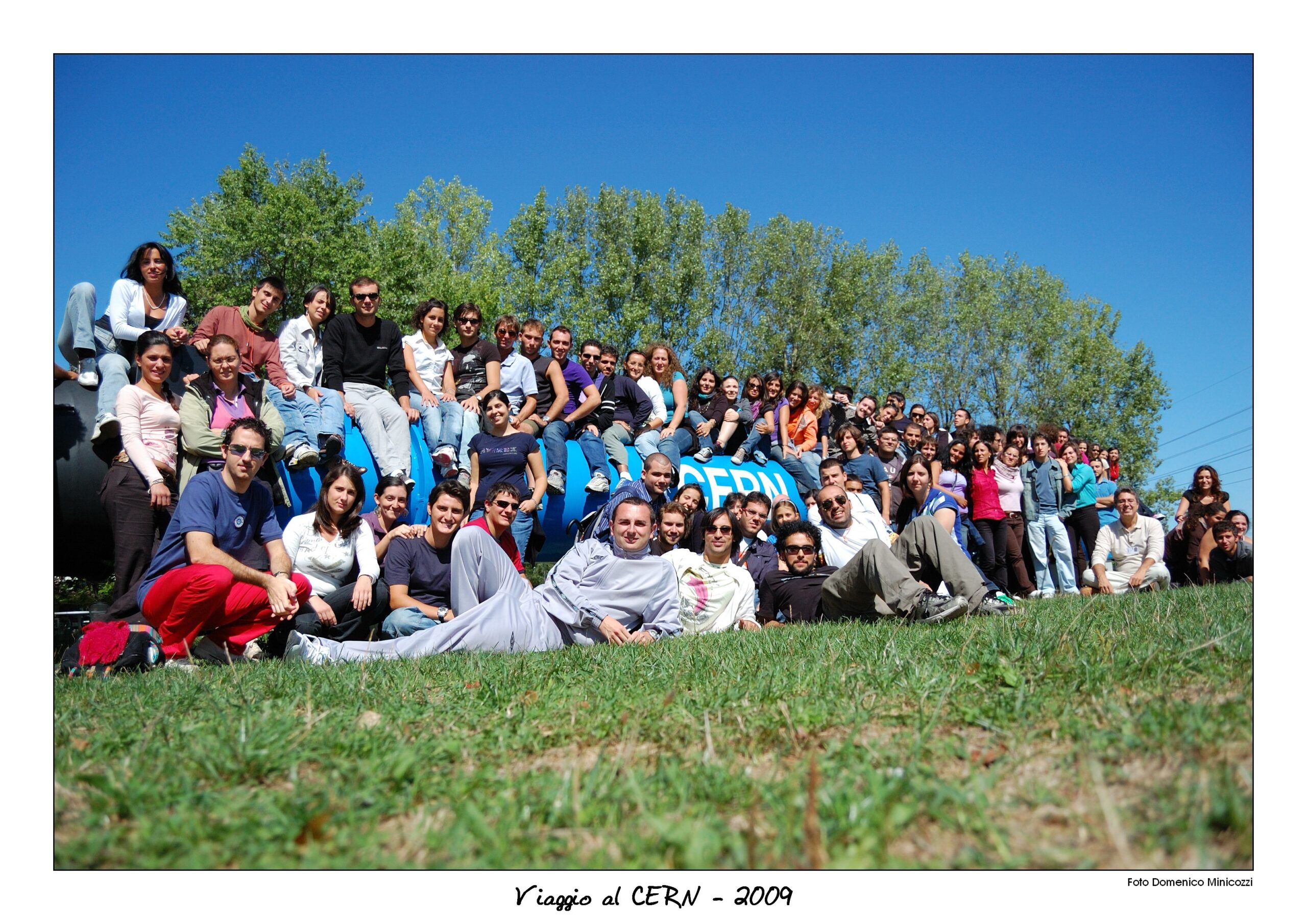
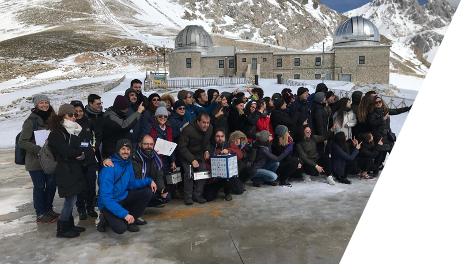
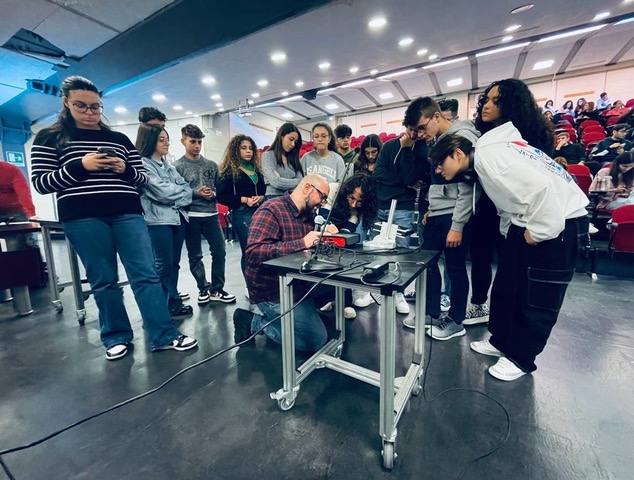
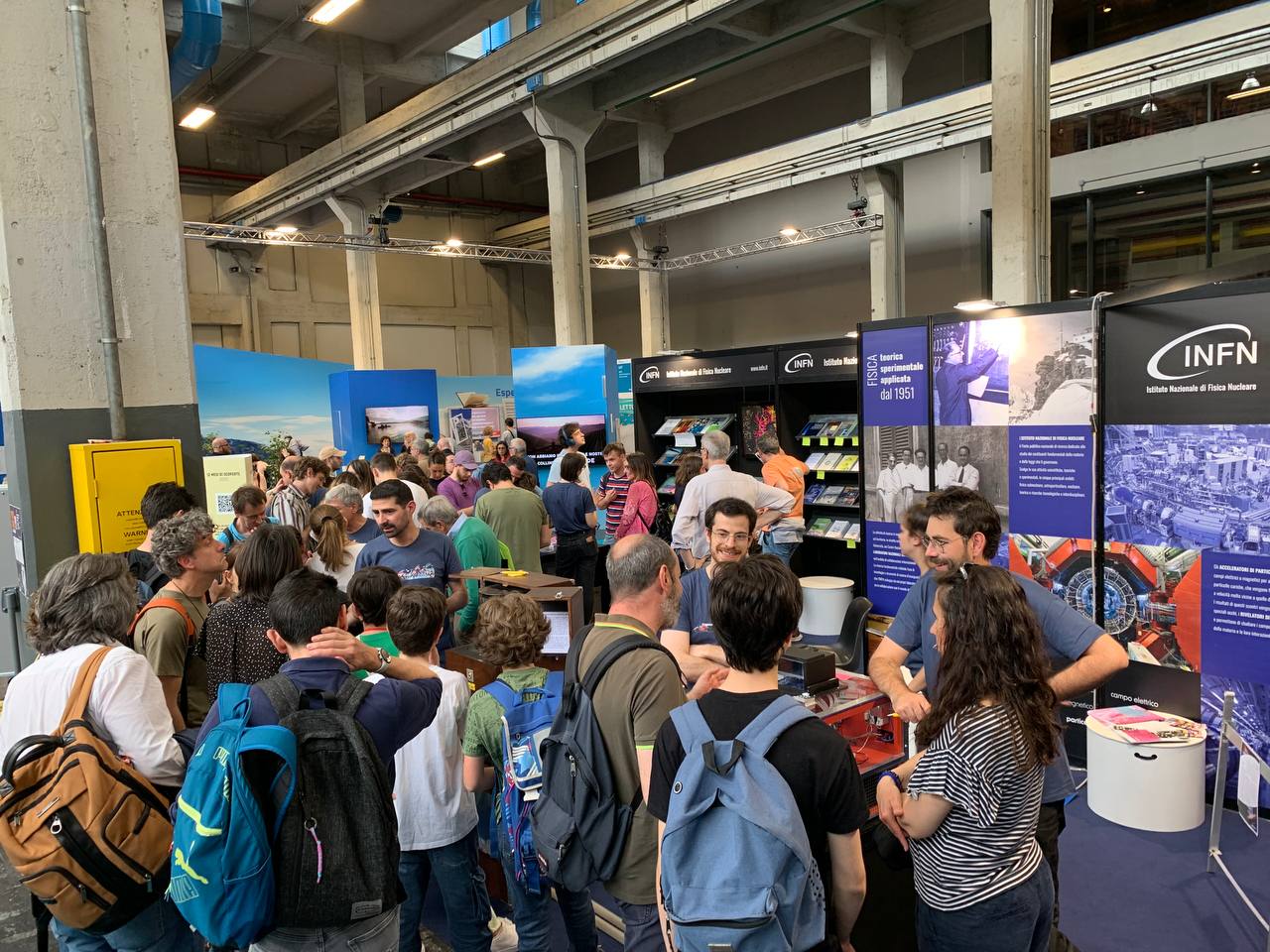
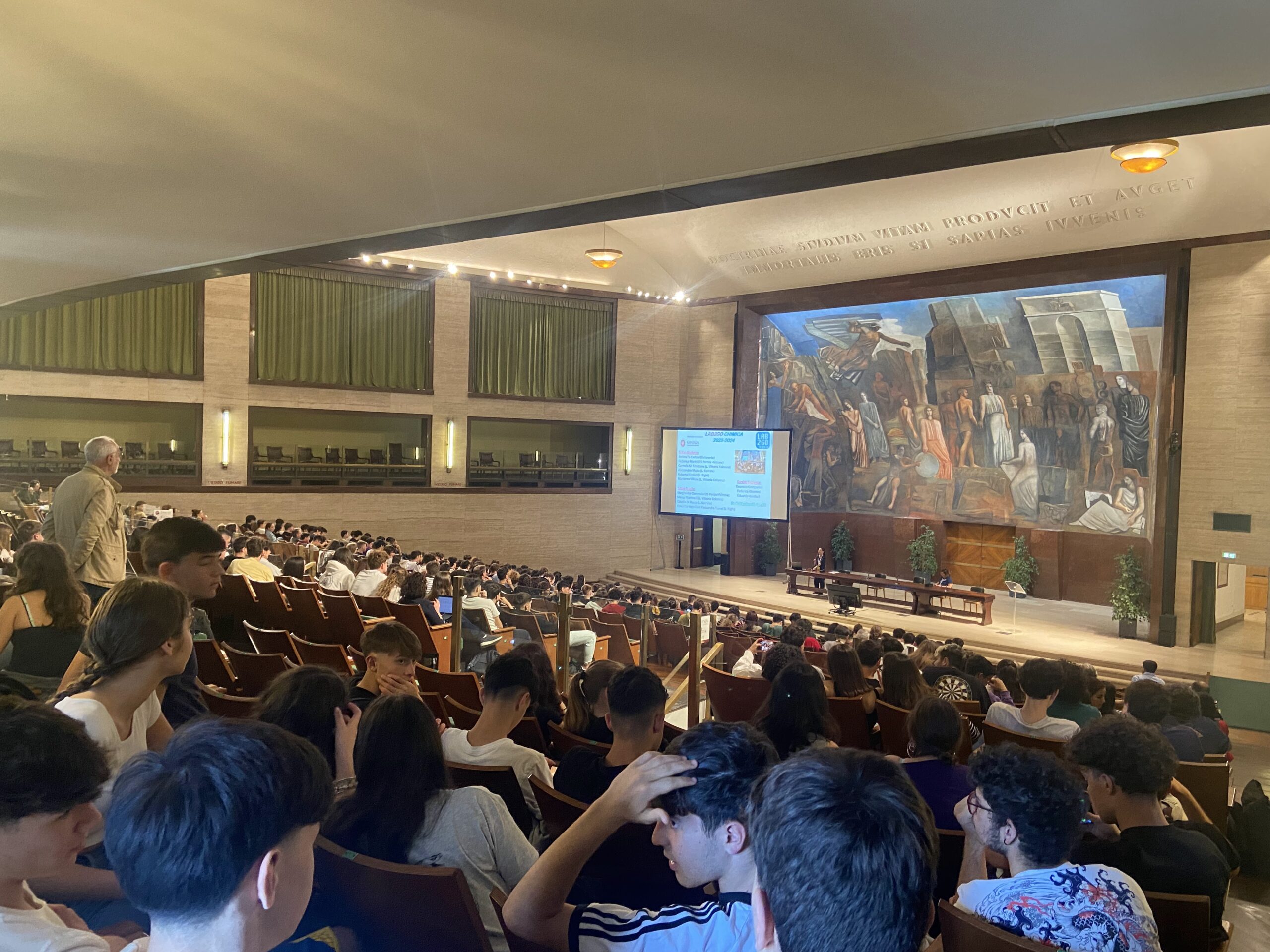
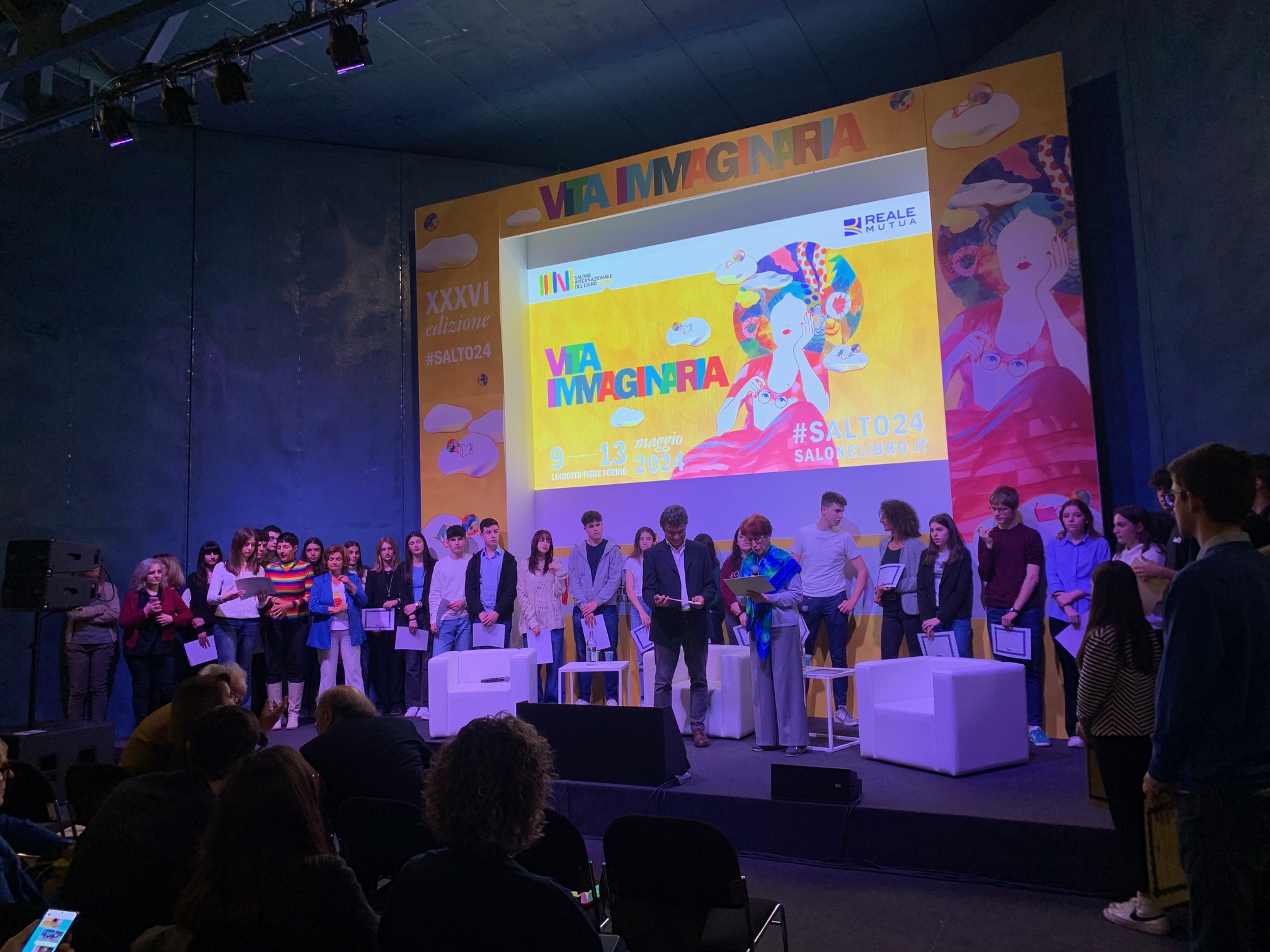
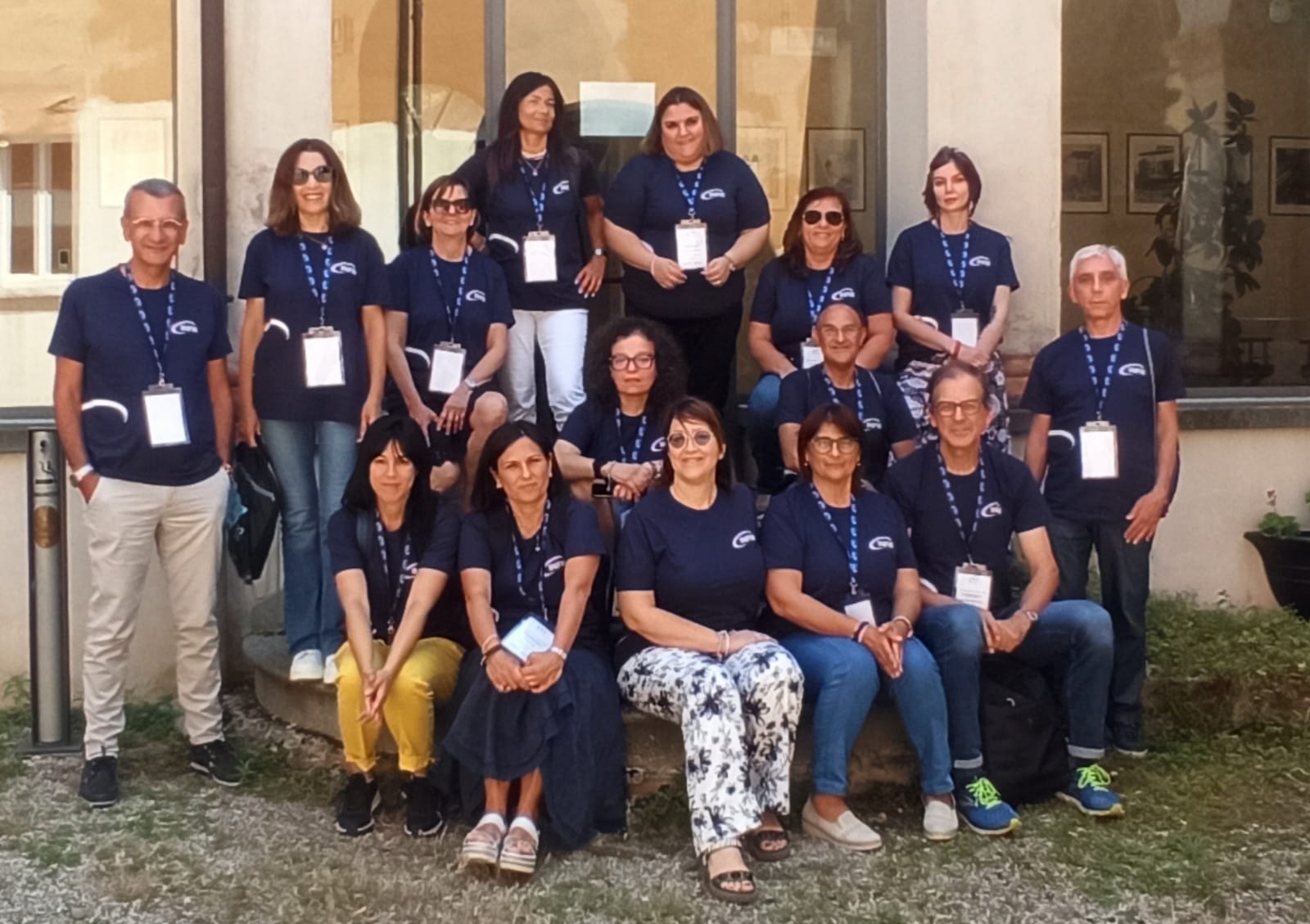
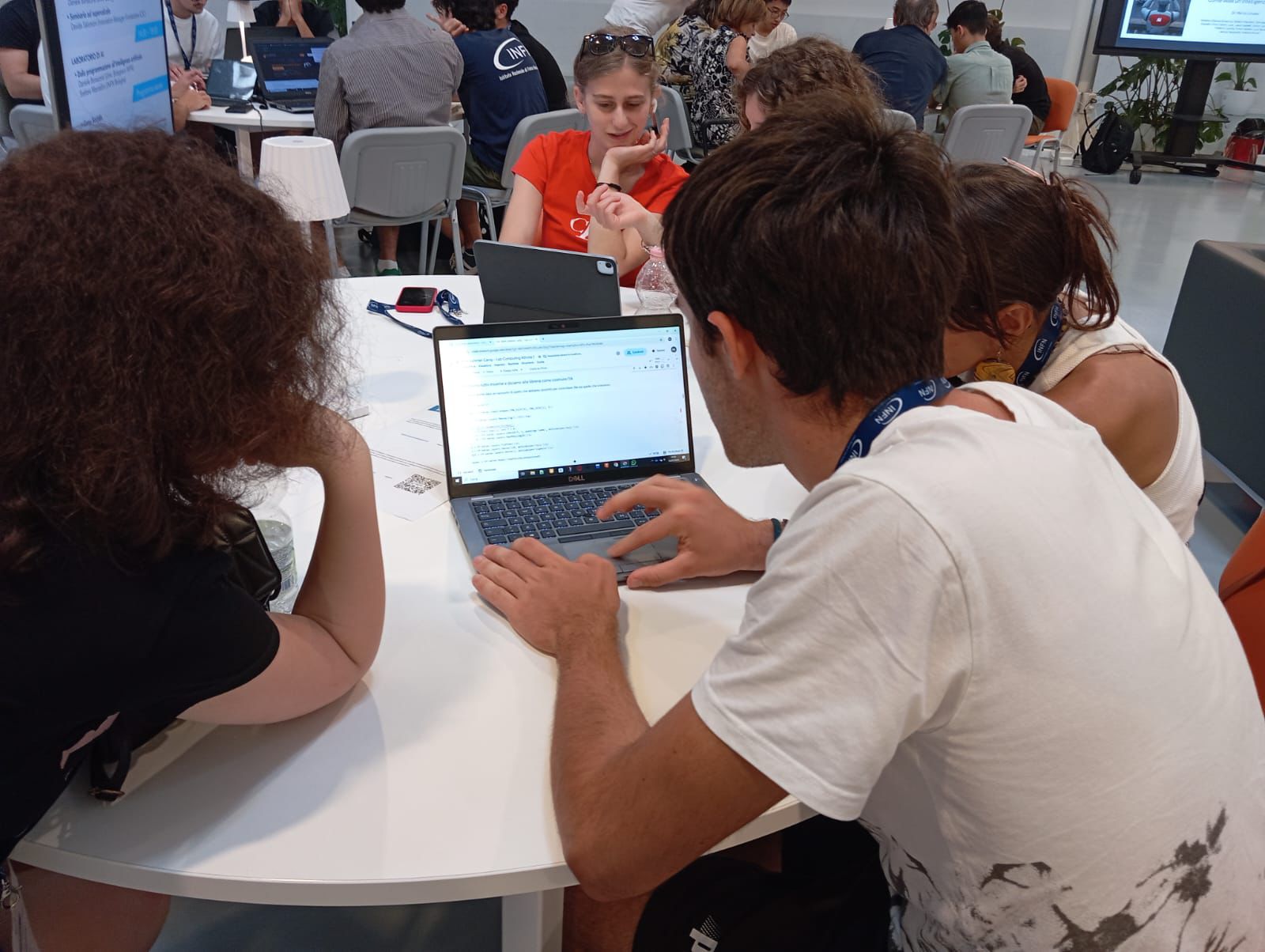
INFN organizes and funds 18 national projects dedicated to Italian schools of all levels and takes part in the most important science festivals.
summer camp committes
Scientific Committee
Antonio Zoccoli (Presidente INFN)
Marco Pallavicini (Vice-presidente INFN)
Sandra Malvezzi (Vice-presidente INFN)
Diego Bettoni (G.E. – INFN)
Oscar Adriani (G.E. – INFN)
Marco Ciuchini (G.E. – INFN)
Attilio Sequi (Direttore Generale INFN)
Ezio Previtali (LNGS-INFN)
Pierluigi Paolucci (CC3M-INFN)
Francesca Scianitti (Ufficio Comunicazione-INFN)
Local Committee
Manuela Allegri (Presidenza INFN)
Roberta Antolini (LNGS)
Antonio Budano (INFN Roma III)
Enrico Calore (INFN Ferrara)
Alessia Capitani (Presidenza INFN)
Gabriella Cataldi (INFN Lecce)
Nicola D’Ambrosio (LNGS)
Naomi Di Roberto (LNGS)
Viviana Fanti (INFN Cagliari)
Marco Galeota (LNGS)
Alessia Giampaoli (LNGS)
Stefano Marcellini (INFN Bologna)
Franca Masciulli (LNGS)
Nicola Rossi (LNGS)
Sonia Sebastiani (LNGS)
Marco Selvi (INFN Bologna)
2025 summer camp Numbers
students
104
teachers
17
researcher
15
partner
4
sponsor
The Summer Camp 2025 is partially funded by .