
About us
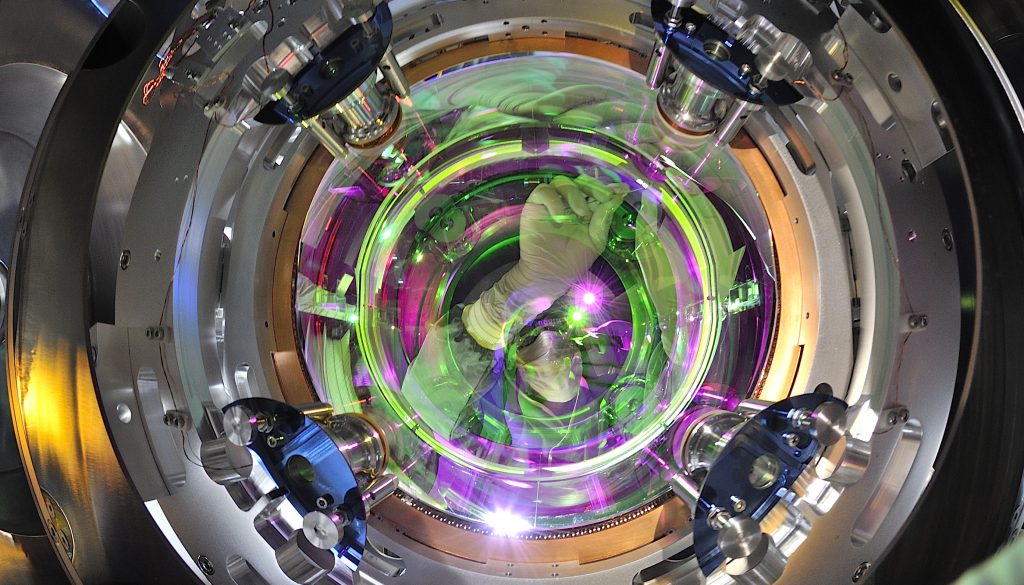
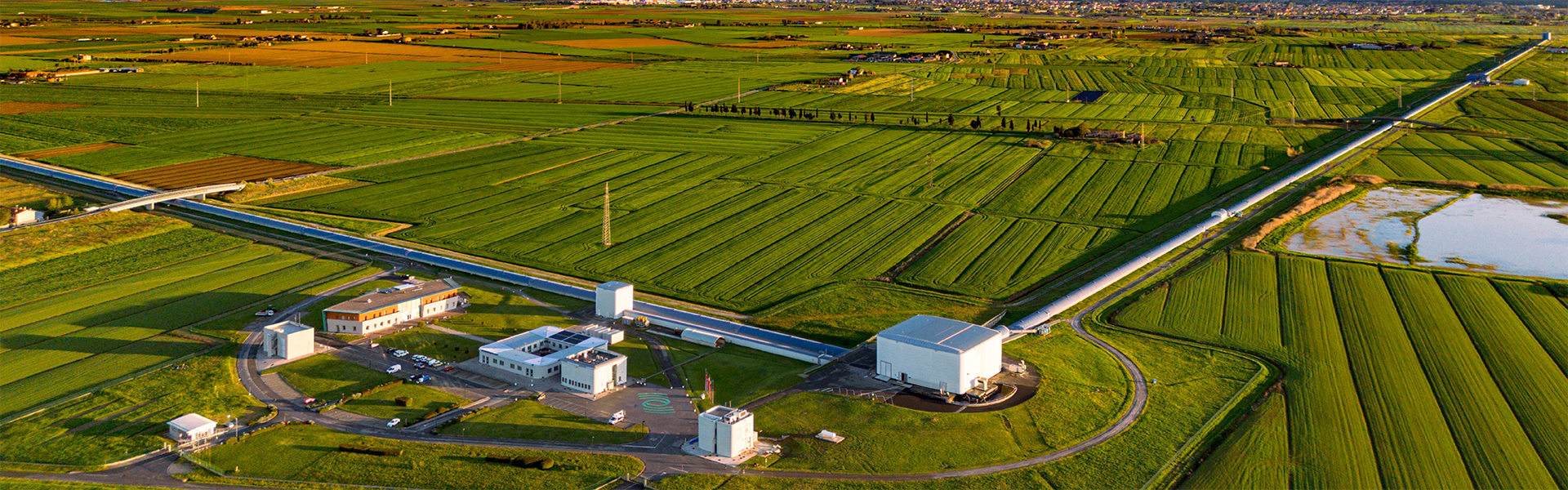
The group, historically known as ROG, was founded in September 1970 following an initiative by Guido Pizzella, who, encouraged by Edoardo Amaldi, proposed the launch of an experimental program dedicated to the search for gravitational waves. Since 1995, the group has contributed to the construction of the interferometric gravitational-wave detector Virgo, located in Cascina (Pisa).Our team consists of research staff from the National Institute of Nuclear Physics (INFN), Sapienza University of Rome, and the National Research Council (CNR). We are involved in several aspects of the development and enhancement of Virgo, including work on the suspensions for the detector test masses, light squeezing, and parametric instabilities. At the same time, we are engaged in the search for some of the most extreme phenomena in the Universe, aiming to uncover a wide range of new and fascinating physics through data analysis and modelling of gravitational-wave sources.
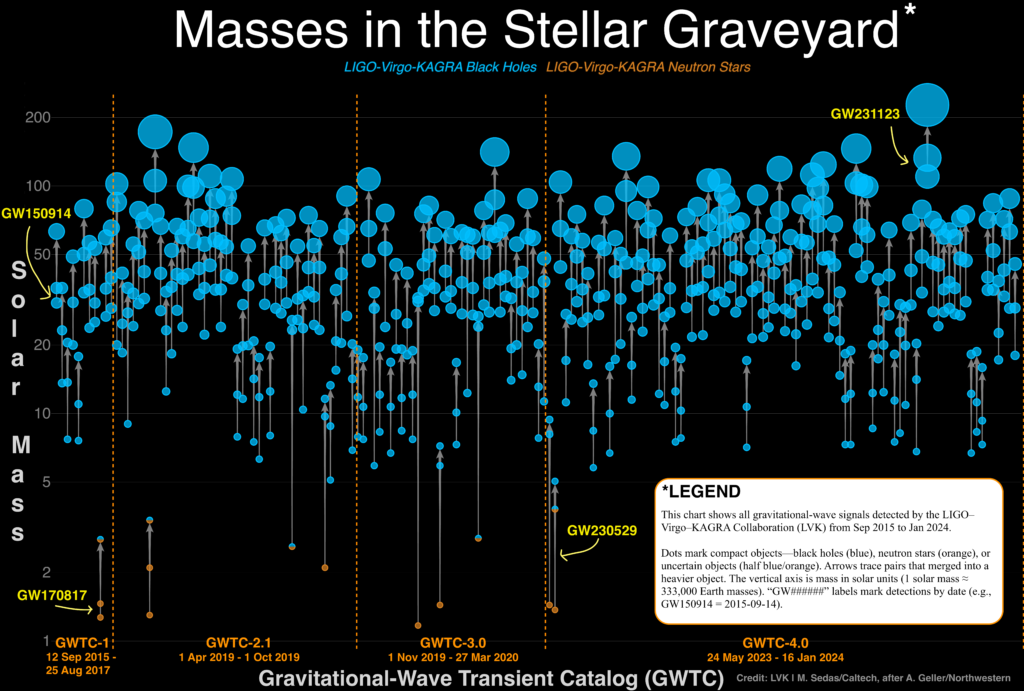
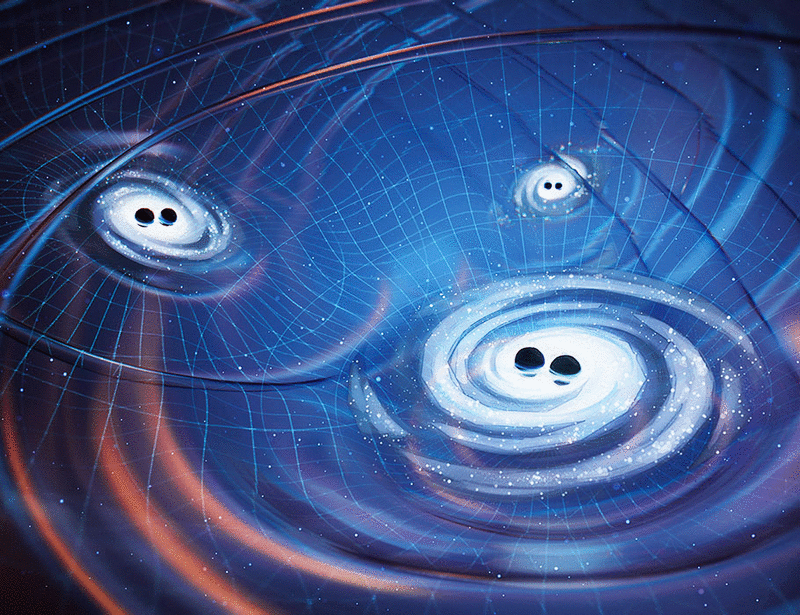
Basics of Gravitational Waves Physics:
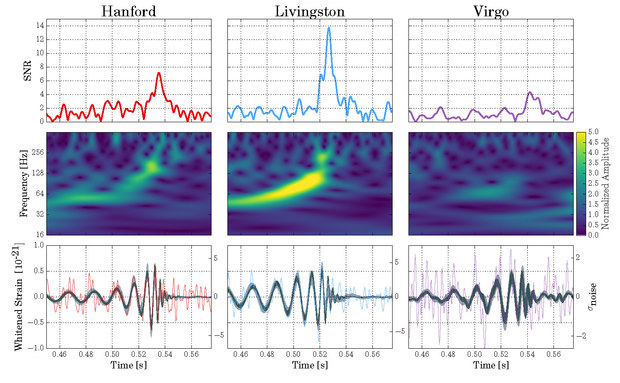
The basic physics of the binary black hole merger GW150914
The first direct gravitational-wave detection was made by the LIGO & Virgo collaboration on September 14, 2015. This paper gives a gentle introduction.
Gravitational wave experiments: achievements and plans
Gravitational wave (GW) experiments have transformed our understanding of the Universe by enabling direct observations of compact object mergers and other astrophysical phenomena. This is a basic review.