
Driving nuclear physics forward through cutting-edge detector technology and electronics.
Instrumentation & R&D
The following detectors have been developed and used by the GAMMA collaboration in the study of nuclear structure or reaction dynamics.
AGATA: Advanced GAmma Tracking Array
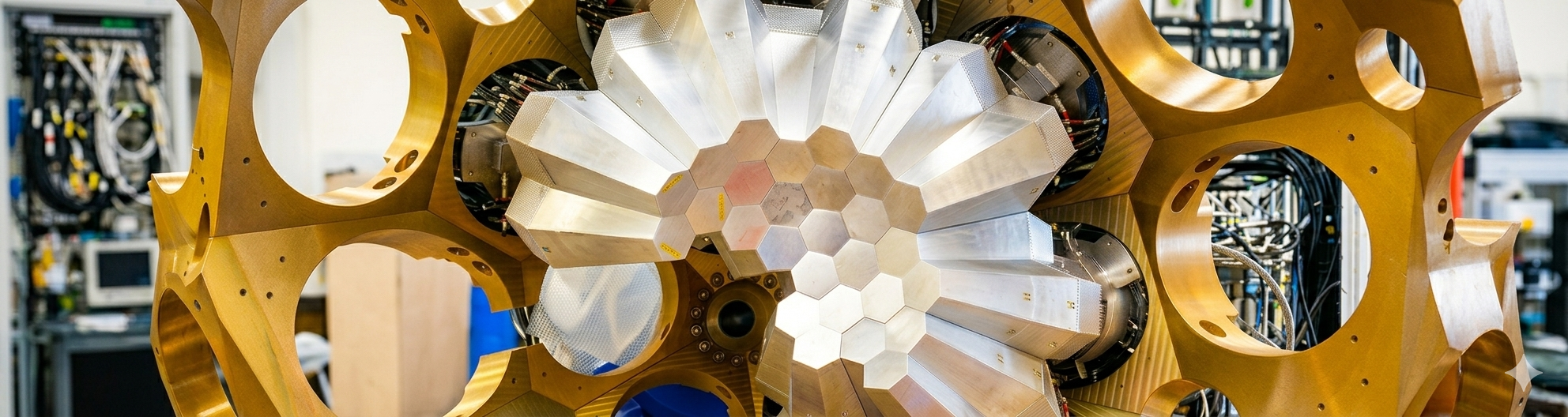
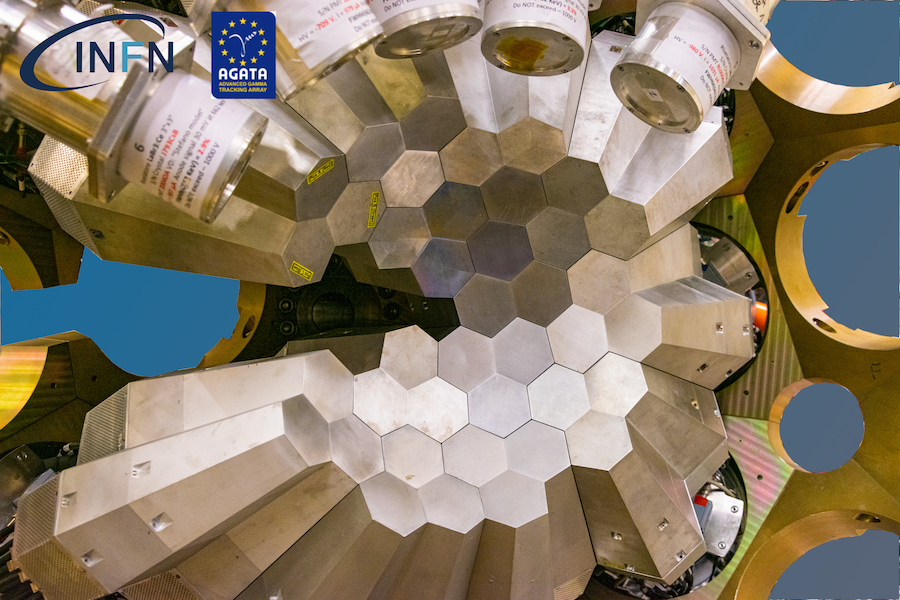
AGATA is a state-of-the-art high-resolution gamma-ray spectrometer designed for in-beam nuclear spectroscopy with both stable and radioactive ion beams. Based on highly segmented high-purity germanium (HPGe) detectors coupled to fully digital electronics, the array uses pulse-shape analysis and gamma-ray tracking to reconstruct the interaction points of gamma rays inside the detector volume with exceptional precision. This approach delivers excellent energy resolution, high photopeak efficiency, and powerful Doppler-correction capabilities, making AGATA a key instrument for investigating exotic nuclei, shell evolution, collective motion, and nuclear excitations far from stability. AGATA is also a unique mobile European infrastructure: developed and operated by a large collaboration of institutes across Europe, it is conceived as a travelling spectrometer that can be installed at major host laboratories, notably GSI in Germany and GANIL in France, allowing the community to exploit the specific beam capabilities of different leading research facilities.
PRISMA: Large-Acceptance Magnetic Spectrometer
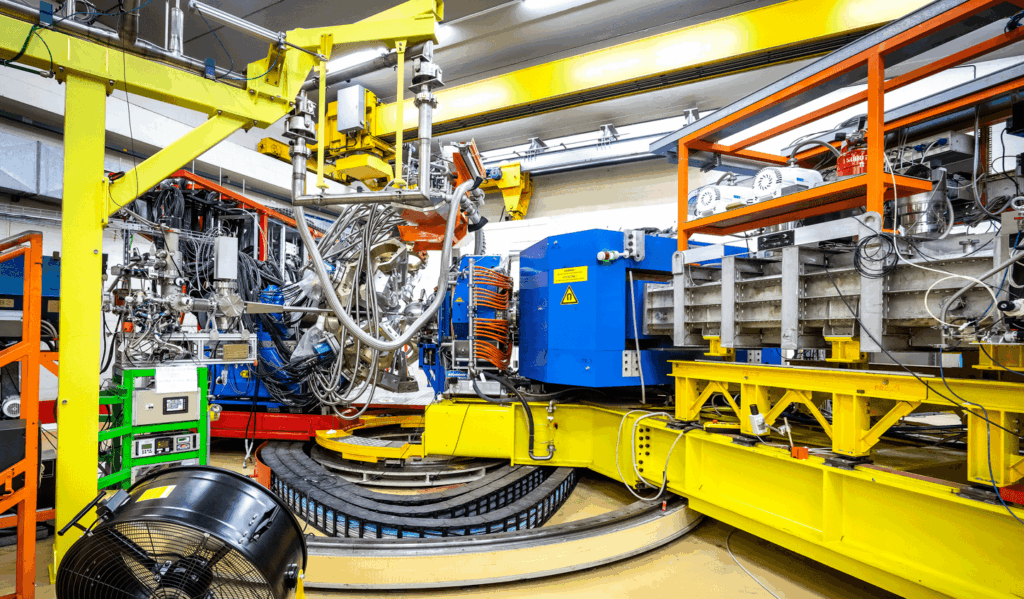
PRISMA is a large-acceptance magnetic spectrometer developed for the study of heavy-ion reaction products. It combines trajectory reconstruction, time-of-flight measurements, and energy detection to identify ions event by event and determine their kinematic properties. This makes PRISMA particularly well suited for transfer reactions, deep-inelastic processes, and nuclear structure studies involving rare and neutron-rich species. At INFN Legnaro, PRISMA is coupled to the AGATA gamma-ray spectrometer. The resulting particle-gamma coincidence selection greatly enhances the selectivity and sensitivity of experiments, opening unique opportunities for spectroscopy and reaction studies at the limits of nuclear stability.
EUCLIDES
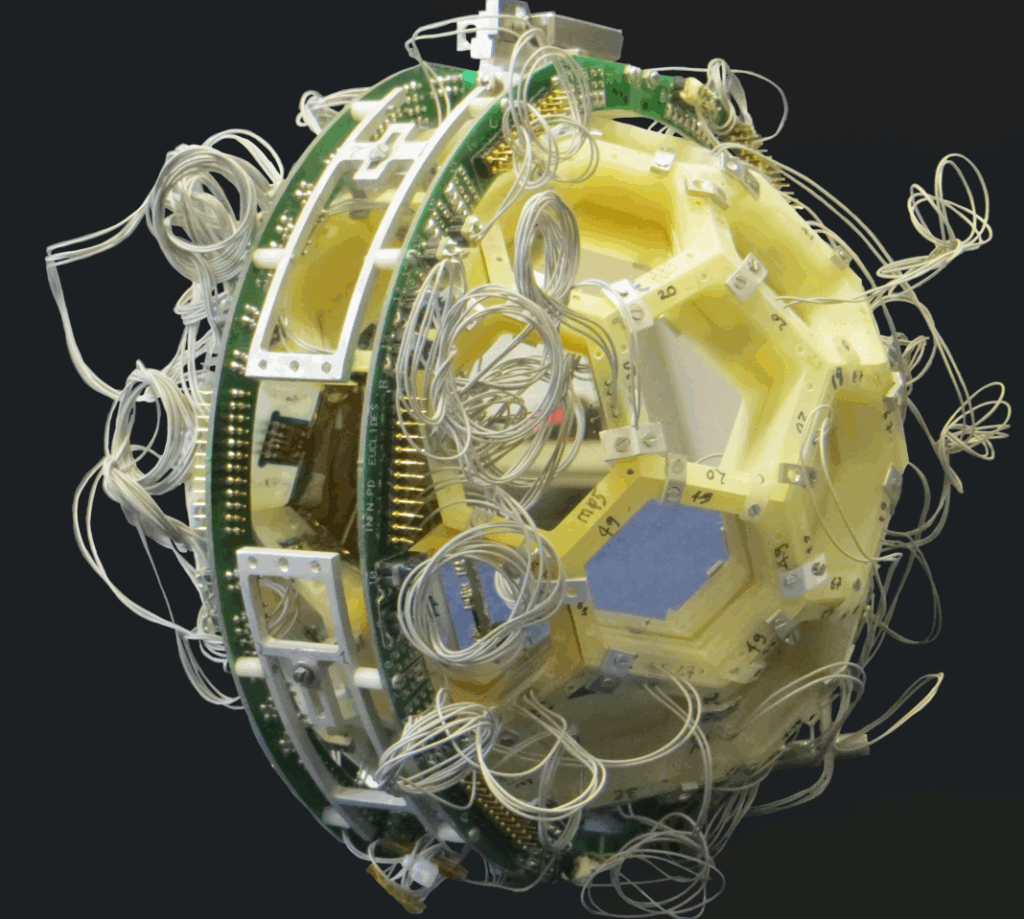
The EUCLIDES array is based on dE-E telescopes, the silicon thickness is 130 μm and 1000 μm for dE and E layers respectively. This allows the discrimination between light charged particles. 40 telescopes form a self-supported structure with the solid angle coverage close to 80% of 4π sr. Detector is made out of pentagonal and hexagonal detectors, the surface of each telescope is approximately 10cm2.
GALILEO: Gamma Array of Legnaro INFN Laboratories for nuclEar spectrOscopy
GALILEO is a resident high-resolution Ge array for advanced in-beam γ-ray spectroscopy studies constructed and installed at LNL.
The first phase of GALILEO was operational between 2015 and 2019 and consisted of 25 GASP tapered detectors coupled to Neutron Wall as shown in the picture. In a second stage of this phase, 10 GASP detectors were moved to the forward angles (replacing Neutron Wall) and LaBr3 detectors were mounted at 90° to optimize the setup for measurements using the Plunger.
In its second phase, GALILEO will consist of 25 GASP tapered detectors at 90° and forward angles, and 10 triple clusters built using capsules of EUROBALL, mounted at backward angles. At the moment 20 GASP detectors and one triple cluster are mounted in the structure.
The HPGe detectors are surrounded by anti-Compton shields in order to reach, for the whole array, a peak-to-total ratio of about 55%. A 5cm thick heavy-metal shield improves Compton rejection, avoiding direct γ -ray interactions in the BGO shields. The geometry of the array is designed to maximize the photo-peak efficiency under typical in-beam medium-high γ-ray multiplicity conditions, achieving a value of 6.4%. GALILEO can be coupled to different ancillary devices.
Check out the list of GALILEO physics publications, or take a look at some of the technical publications. You can also see previous thesis regarding GALILEO or its ancillary devices.
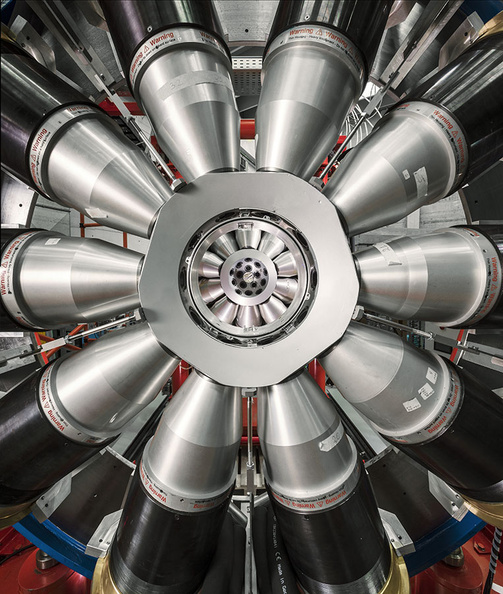
SPIDER
SPIDER is an array of segmented silicon detectors primarily made for heavy-ion detection in low-energy Coulomb-excitation experiments. The array is made out of 7 trapezoidal 300 μm thick detectors, each composed of 8 strips. The angular coverage of 124-161° covers 17% of the full 4π. These values can be adjusted by changing the distance of the array from the target.
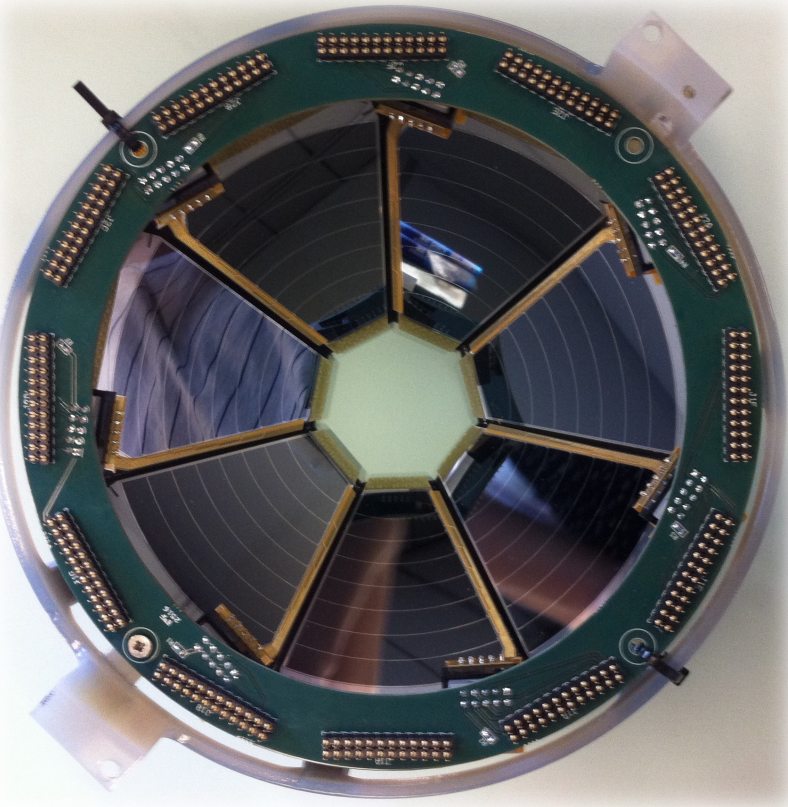
SAURON
SAURON is an annular double-sided silicon stripped ion detector for detection of light charged particles. The Junction side is divided into 4 quadrants, each with 16 radial strips; the ohmic side is divided into 16 azimuthal strips. Placing detector at a standard 5 cm distance from the target provides angular coverage of 25-44° if mounted forward, or 136-154° if mounted backward. The distance from the target may be adjusted. Available are 300, 500, 1000 and 1500 μm thick detectors. The detector also allows for particle identification trough pulse shape analysis.
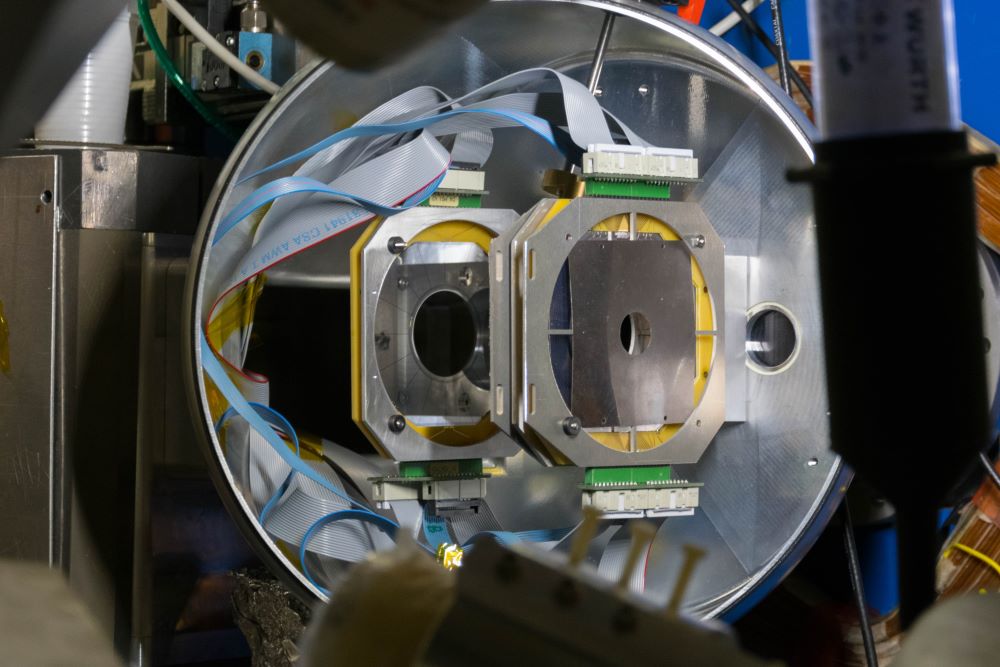
DANTE
DANTE is a position-sensitive array of MCP detectors. Each MCP has an active surface of 40 x 60mm2 with position resolution below 1 mm and time resolution of 130 ps. Individual detectors are mounted on a ring around the target in a forward direction. Five support rings are available covering various angles, from near-zero to 90°. The detector is compatible with the SPIDER silicon detector.
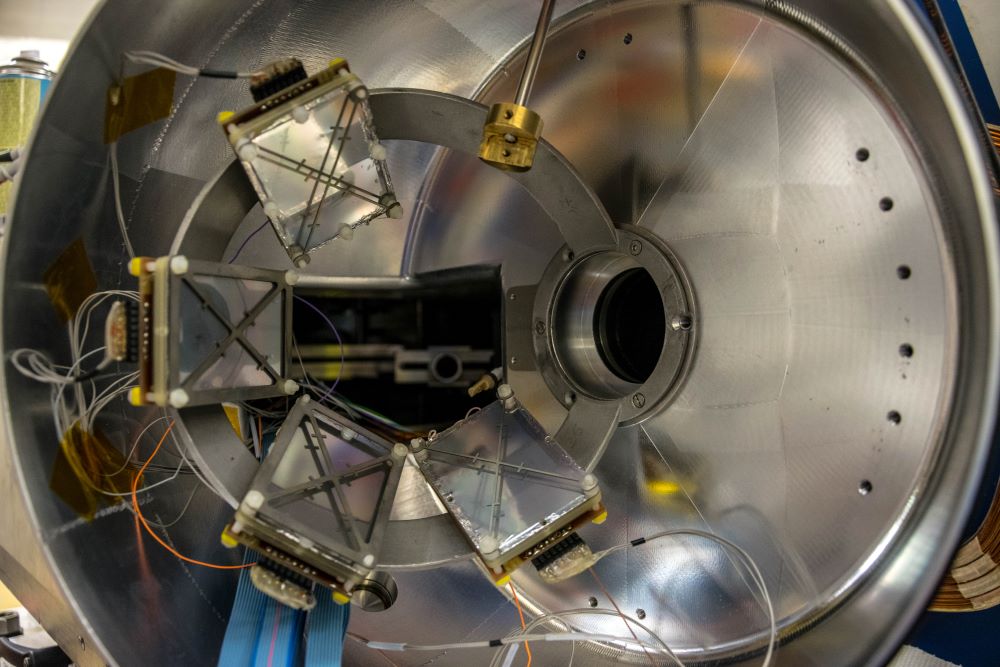
TRACE
TRACE is a highly segmented silicon detector array developed for the detection and identification of light charged particles in nuclear reactions, particularly at low energies where precise particle discrimination is essential. Based on thin pixel-type silicon detectors with fine spatial segmentation, TRACE combines high granularity with pulse-shape analysis techniques to achieve isotopic separation of light ions while maintaining good position and energy resolution. This makes it especially valuable for reaction studies involving transfer channels, light reaction products, and detailed spectroscopy of exotic nuclei. Its compact modular design and sensitivity to low-energy ions make TRACE a powerful complementary device for experiments in which charged-particle identification must be combined with high-resolution gamma-ray measurements.
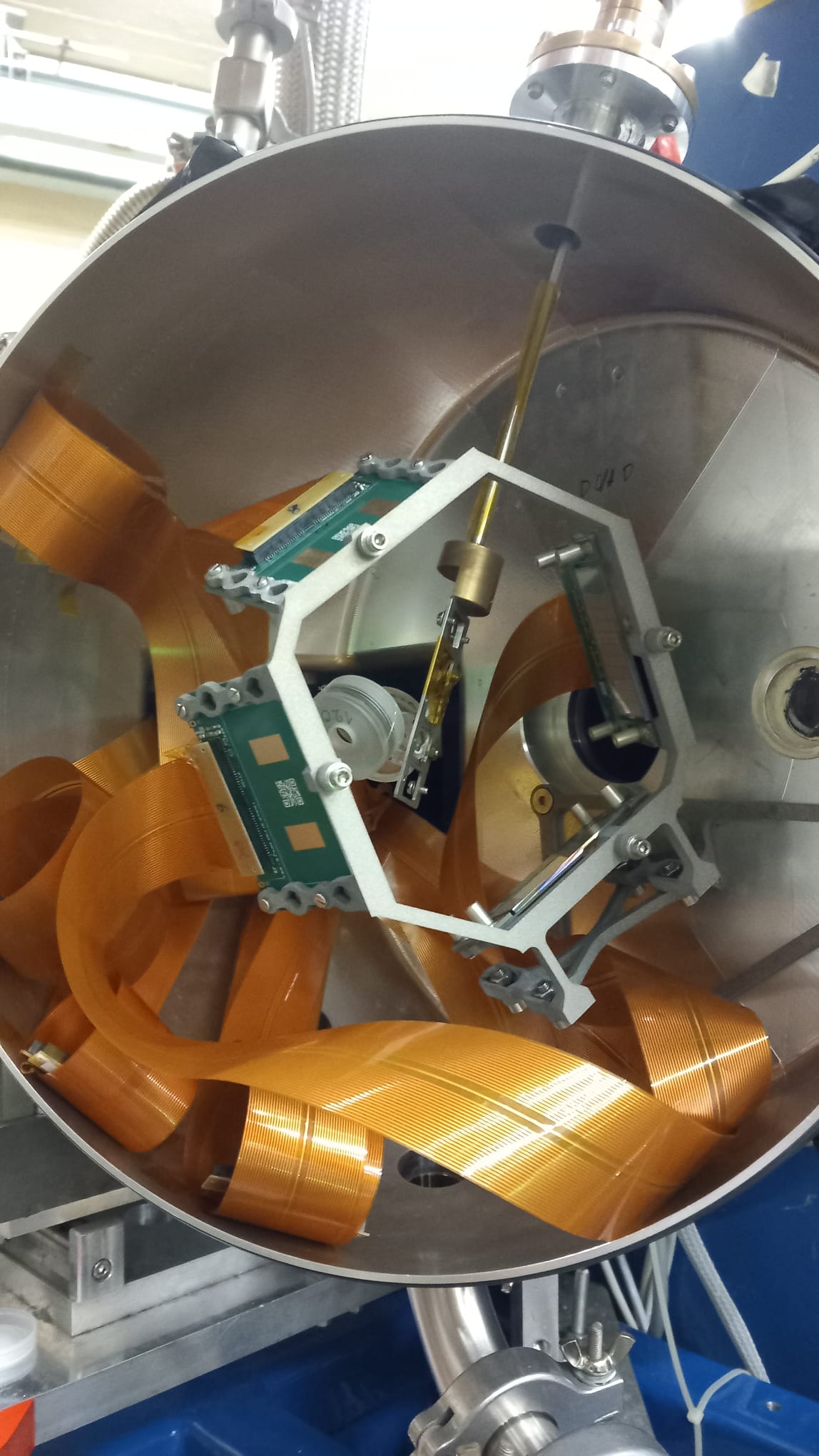
CTADIR
The Cryogenic Targets for DIrect Reactions (CTADIR) research project consists in a cryogenic targets for the study of direct nuclear reactions with the exotic beams produced by the SPES facility at LNL. The cryogenic target has to be kept at temperatures below 10 K in order to achieve a high gas density, which increases the effective thickness of the target and thus the luminosity. This increased thickness allows its use with low-intensity radioactive beams. It can be filled with 3He or 4He.
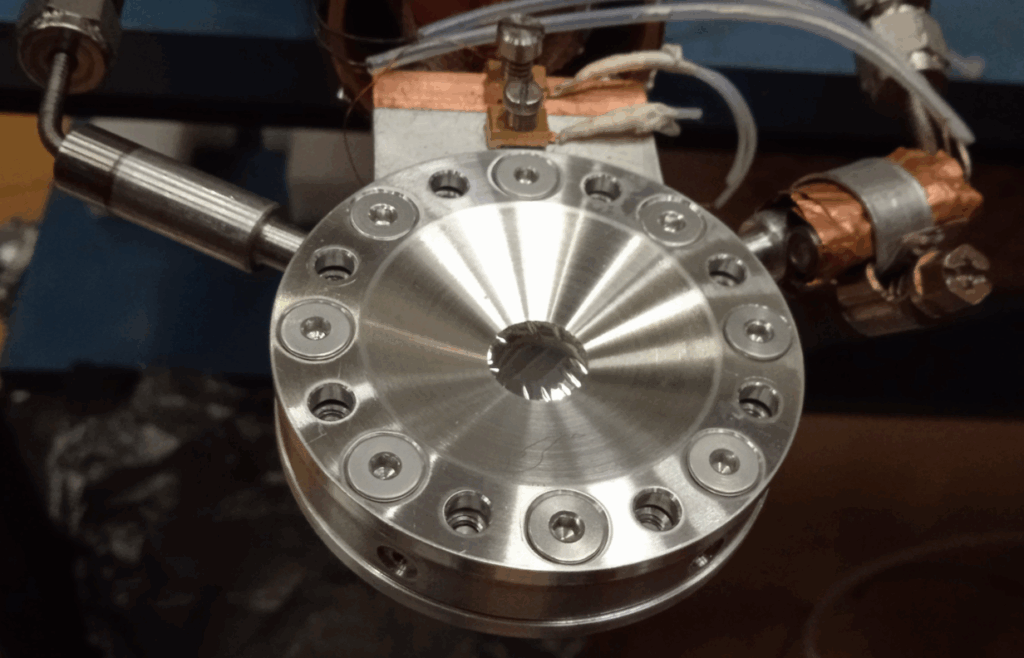
PLUNGER
The Plunger device is a special target developed for lifetime measurements in the range of few picoseconds, where direct timing measurements are complex. The target consists in two foils: the proper target foil, where the radioactive isotope is produced and another foil that slows down the ion. By comparing gamma the amount of gamma rays detected before and after being slowed down and by changing the distance between the foils several time, it is possible to extract precise lifetimes of nuclear states. These lifetimes give a hint of the particular structure of this states and thus of the nucleus.
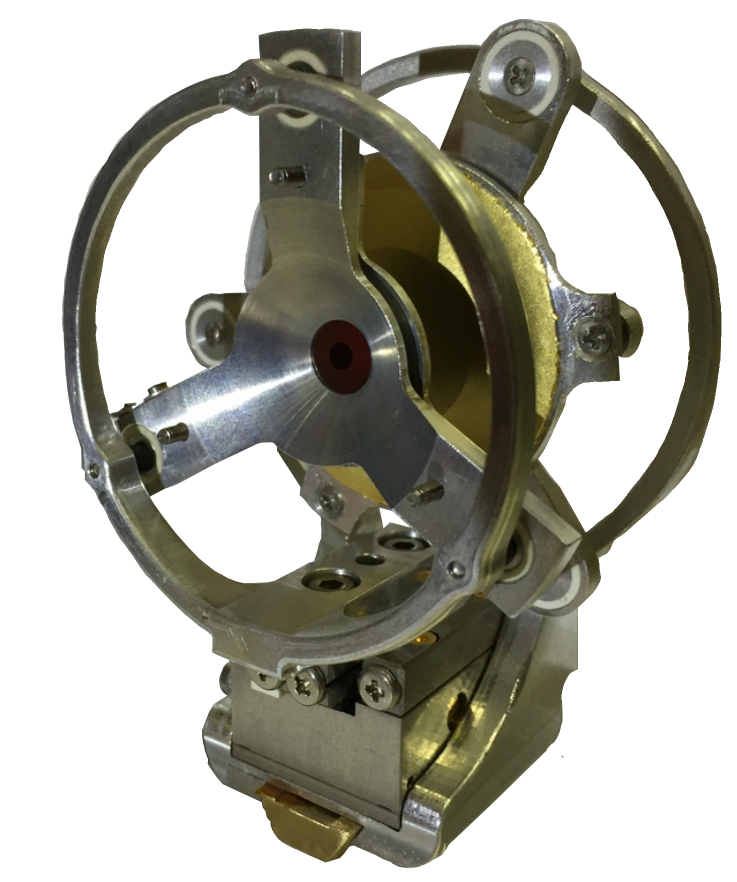
SLICES: SPES Internal Conversion Electron Spectrometer
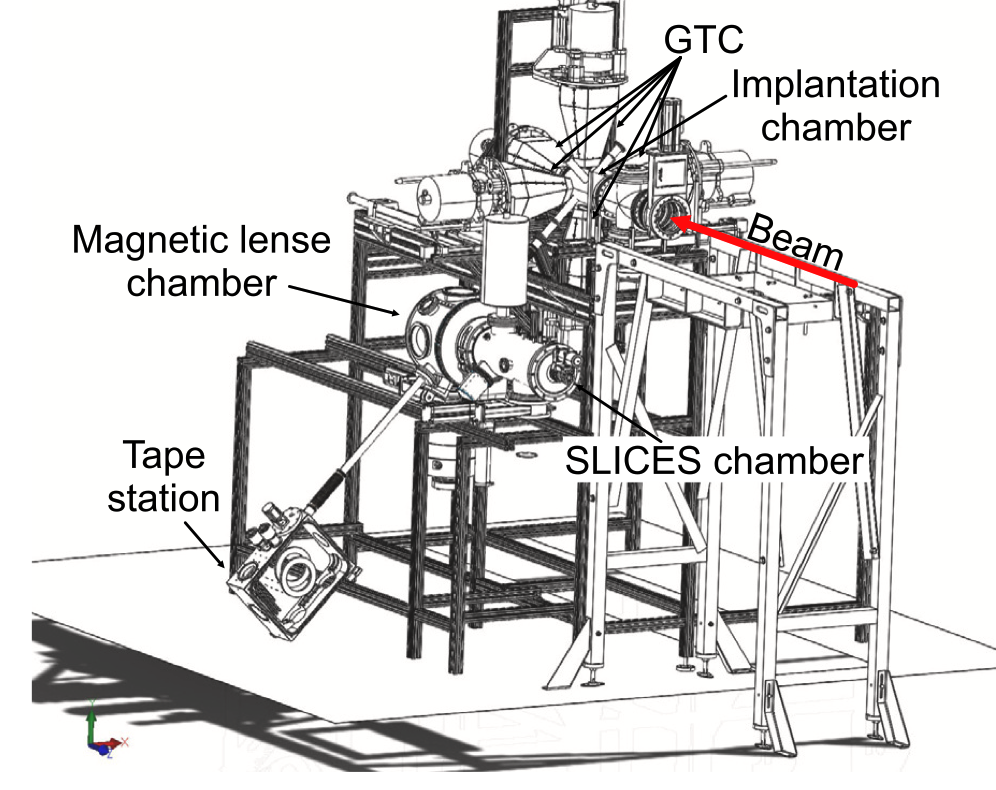
SLICES is a high-resolution spectrometer specifically designed for off-beam internal conversion electron spectroscopy. To successfully isolate electron signals from intense gamma and X-ray backgrounds, the spectrometer features a custom magnetic transport system. Utilizing NdFeB permanent magnets, this magnetic lens guides emitted electrons around a central heavy-metal photon shield and focuses them directly onto the active detector.
At its core, SLICES employs a large-area, highly segmented Lithium-drifted Silicon [Si(Li)] detector. Operating under strict high-vacuum and cryogenic conditions to ensure optimal energy resolution, the system is a critical tool for investigating highly converted nuclear transitions—such as electric monopoles (E0)—and exploring shape coexistence phenomena.
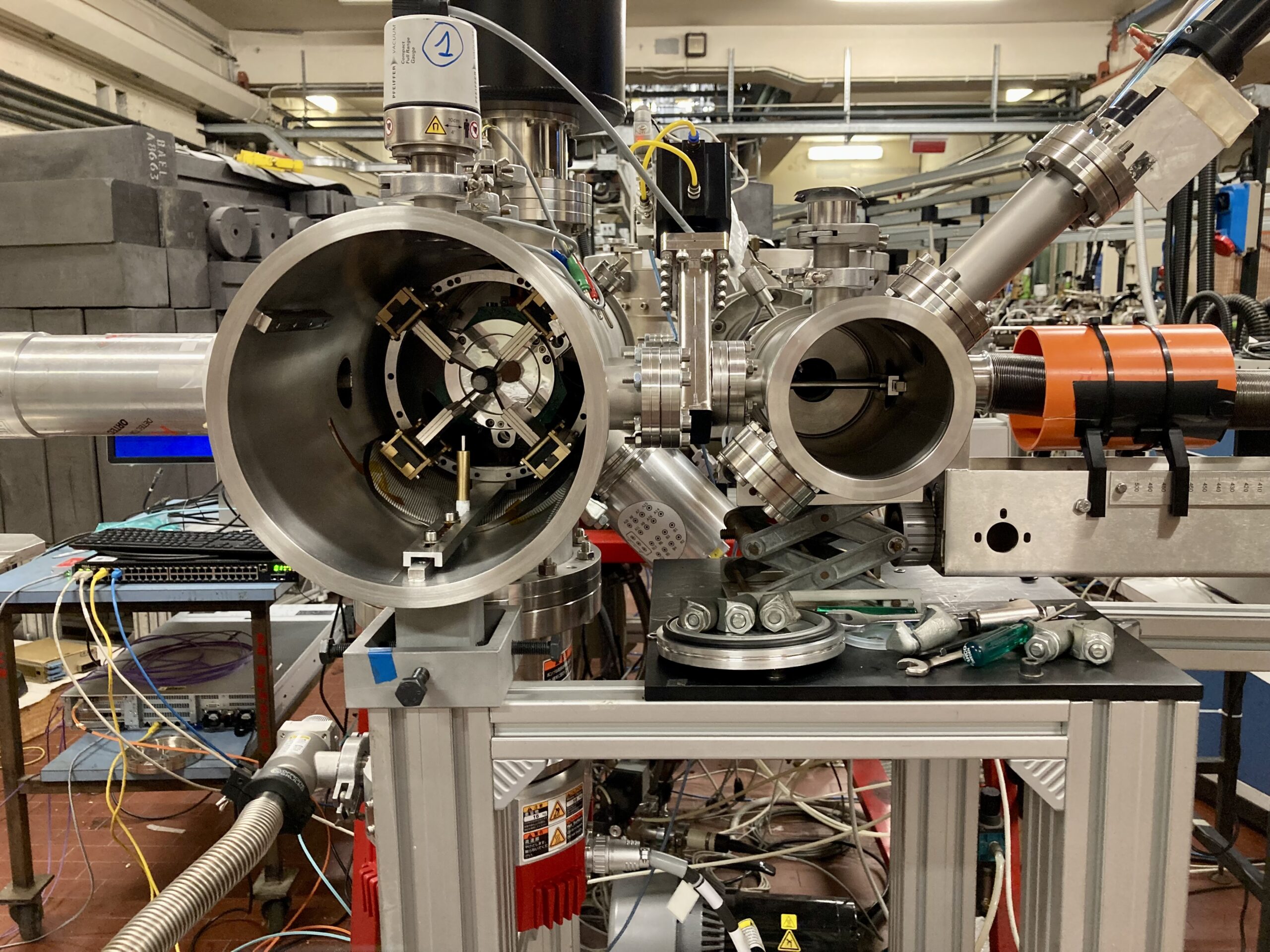
Beta Decay Station
The Beta-Decay Station at SPES is a dedicated experimental setup for the study of radioactive decays of exotic nuclei delivered at low energy by the SPES ISOL facility. Designed to provide a comprehensive view of the decay process, the station combines two complementary measurement points: a high-resolution gamma-decay station based on HPGe detectors for beta-delayed gamma spectroscopy, and an electron station equipped with the SLICES Si(Li) spectrometer for conversion-electron spectroscopy. Both systems are served by a common tape-transport system, which removes the implanted activity after each measurement cycle and brings fresh material into position, reducing long-lived background and enabling efficient studies of short-lived nuclei. In this way, the station offers a versatile platform for investigating half-lives, decay schemes, electromagnetic transition strengths, and structure effects in nuclei far from stability.
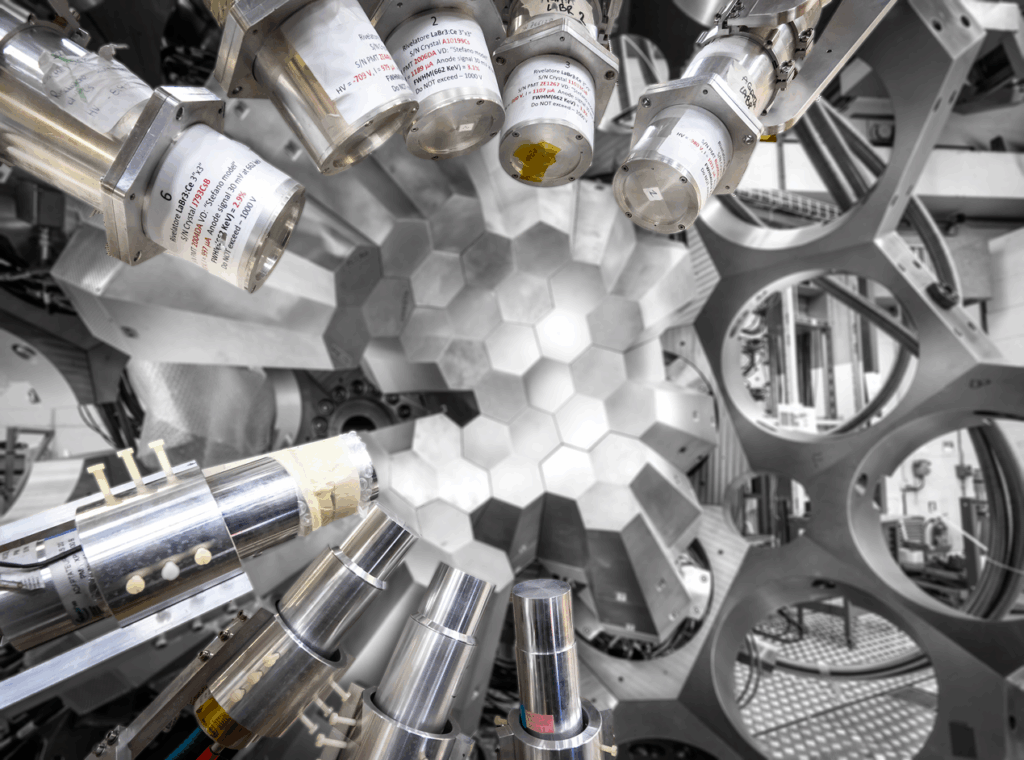
LaBr3
Array of LaBr3 scintillators coupled with AGATA to provide high efficiency for high-energy γ-rays. The array consist of five 3″x3″ detectors and four 2″x2″ detectors.
GRIT
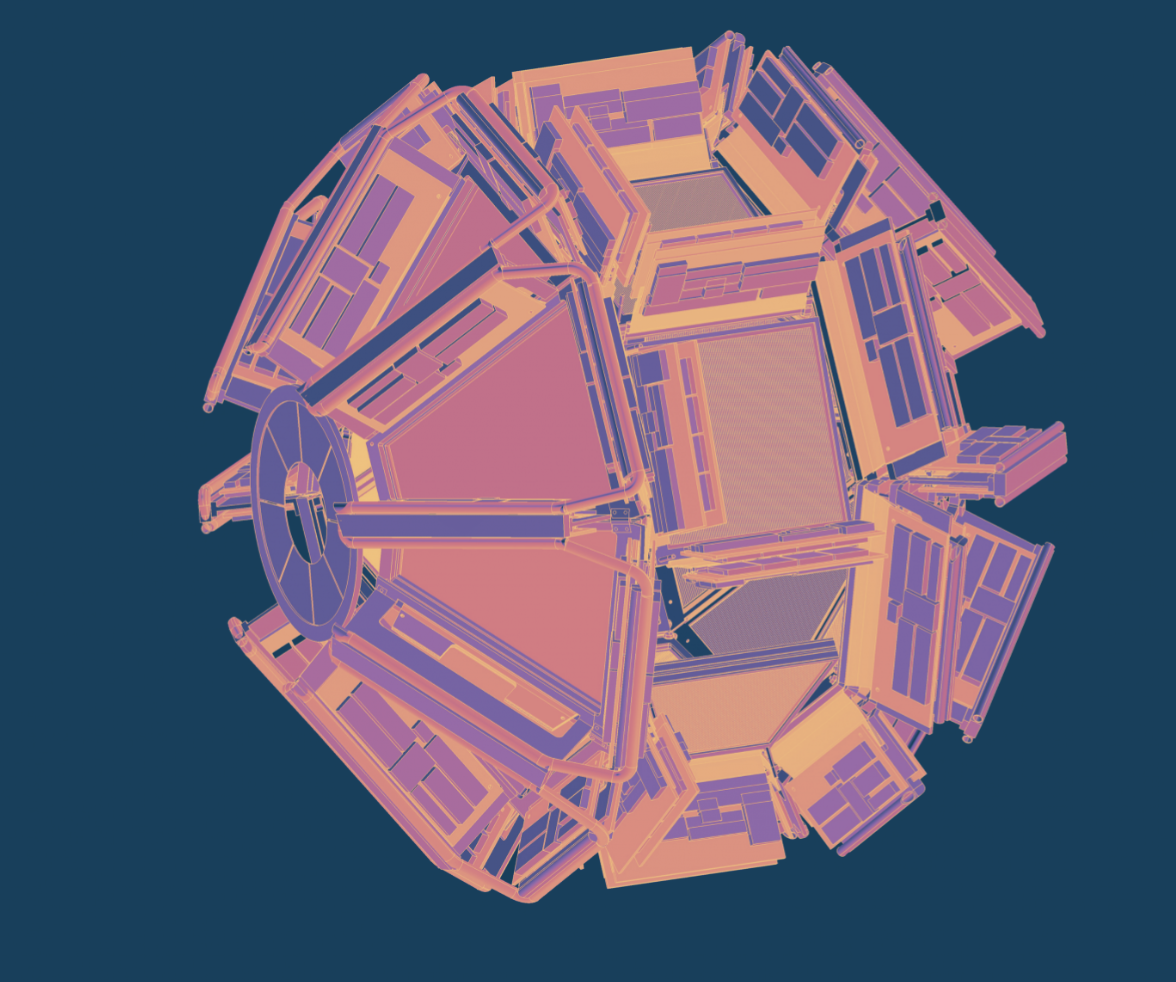
GRIT (Granularity, Resolution, Integration, Transparency) is a 4pi silicon detector array optimized for charged-particle detection in direct-reaction experiments with radioactive ion beams. The setup, conceived within an International collaboration involving Italy, France, UK and Spain, in still under construction. The high granularity, large angular coverage and excellent energy and position resolution of GRIT allow detailed reconstruction of reaction kinematics, making it a powerful complement to AGATA in combined spectroscopy measurements. It is also conceived to be coupled with cryogenic targets. A “demonstrator” of GRIT, MUGAST, has already been successfully employed at GANIL with radioactive ion beams coming from SPIRAL1.
The GAMMA group is heavily involved in the GRIT project, with many members in either the GRIT Management Board or in the GRIT Steering Committee.
https://doi.org/10.1016/j.nima.2021.165743