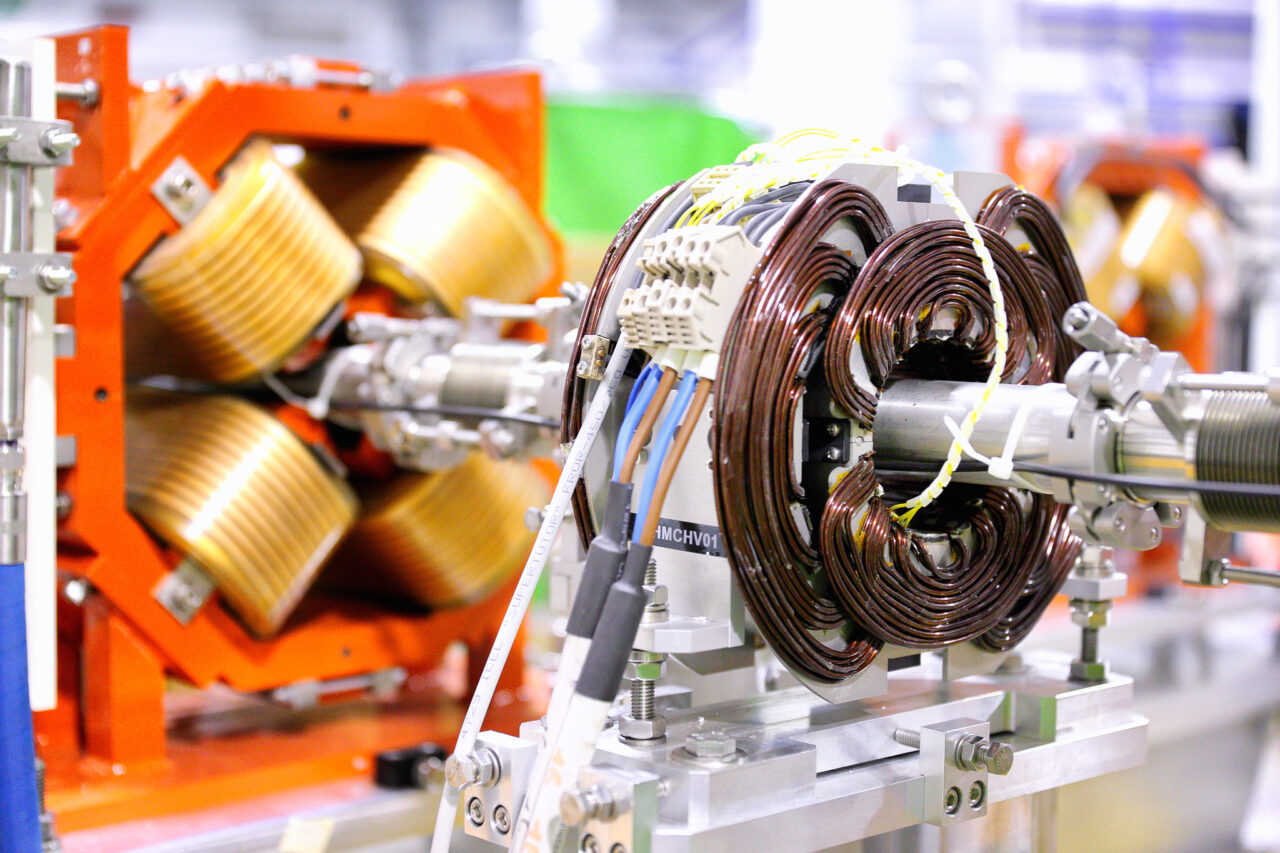









Several INFN sites contribute to each of the technological areas of interest to the Institute: the competences, as well as the laboratories and the tools that can play a role in the technology transfer are thus distributed throughout the territory.
Competence Networks are created as a tool to efficiently and effectively coordinate and systematise competences related to different technological areas, which thus become recognisable at national, European and international level.
INFN-CHNet
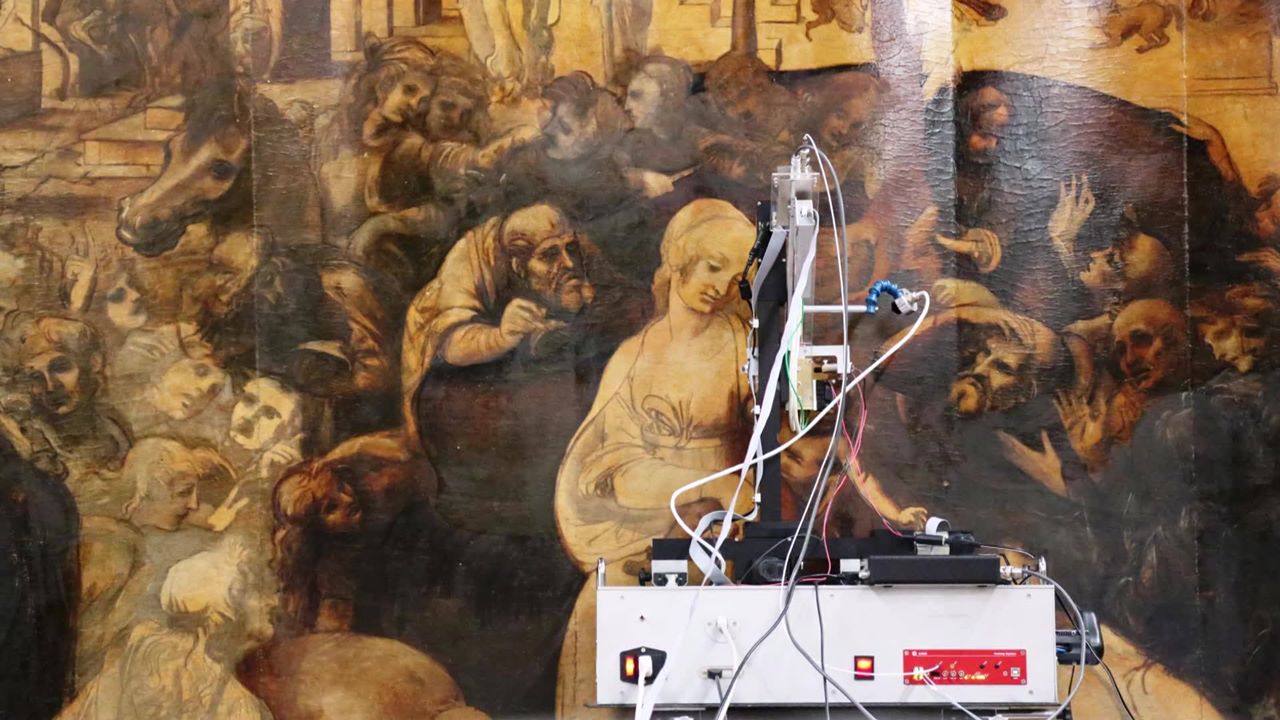
The Competence Network INFN-CHNet (Cultural Heritage Network), a distributed research and infrastructured network dedicated to science and technologies applied to cultural heritage
The organisational structure of the network also includes – through specific agreements on activities of common interest – Universities, Research Bodies, Restoration Centres and Consortia with exclusive humanistic competences.
INFN Accelerators
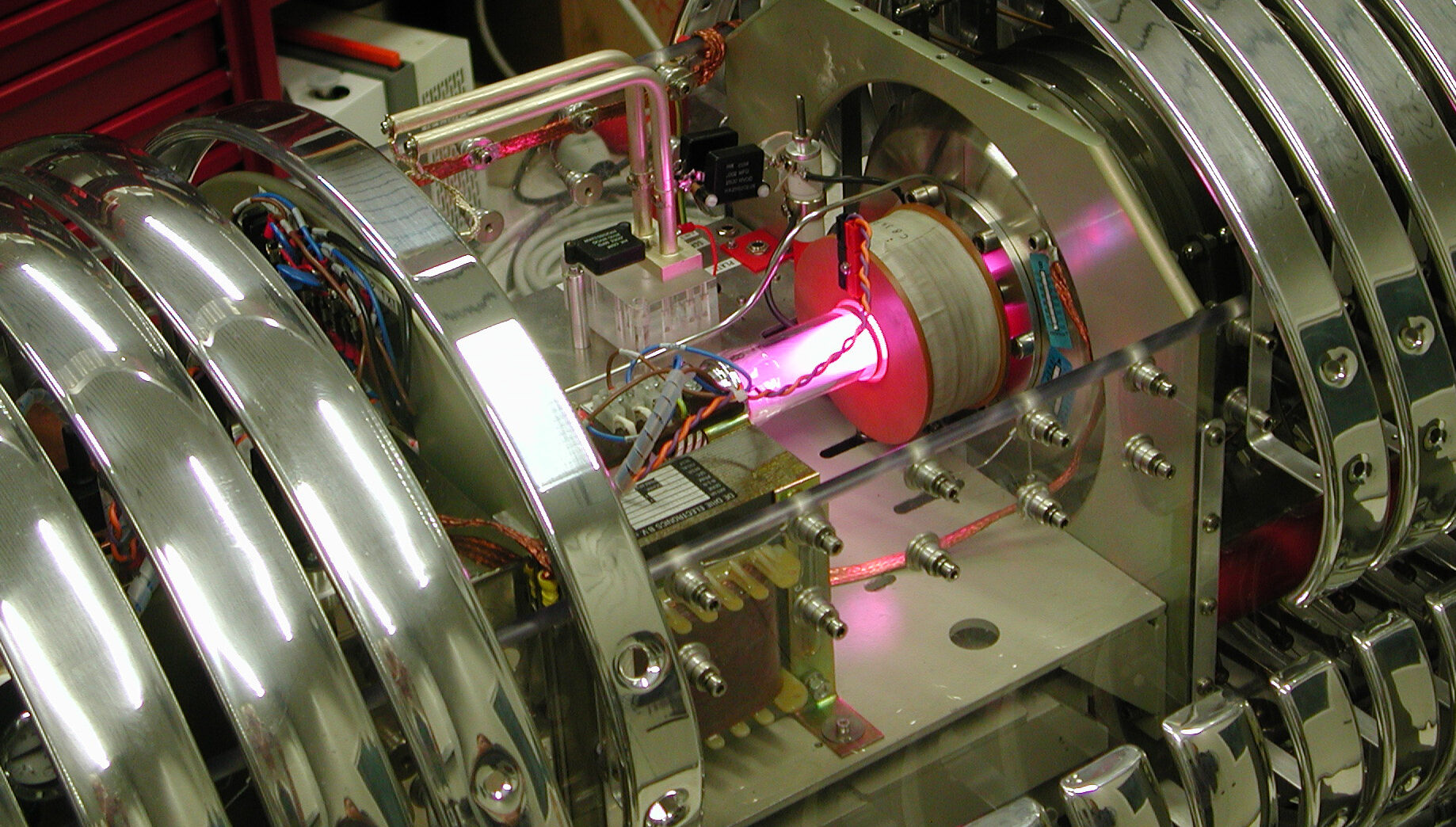
INFN Accelerators is the liaison committee for the INFN community with expertise in the field of particle accelerators. It intends to stimulate the harmonization of the Institute’s competences and instrumental equipment in this field and to encourage participation in regional, national and international calls, as well as to play an advisory role in the field of particle accelerators, including on INFN’s strategic guidelines.
INFN4LS
INFN4LS is a committee that aims to promote the applications of INFN research and technologies in the field of life sciences. In particular, it is responsible for facilitating collaborations with third parties (hospitals, research institutions, foundations, etc.), acts as a link between the INFN community of researchers/technologists working in this field and the organisation’s management, and promotes and monitors participation in national and international calls. It also plays an advisory role, at the request of management, and provides strategic guidance to the institution in this area.

INFN-E
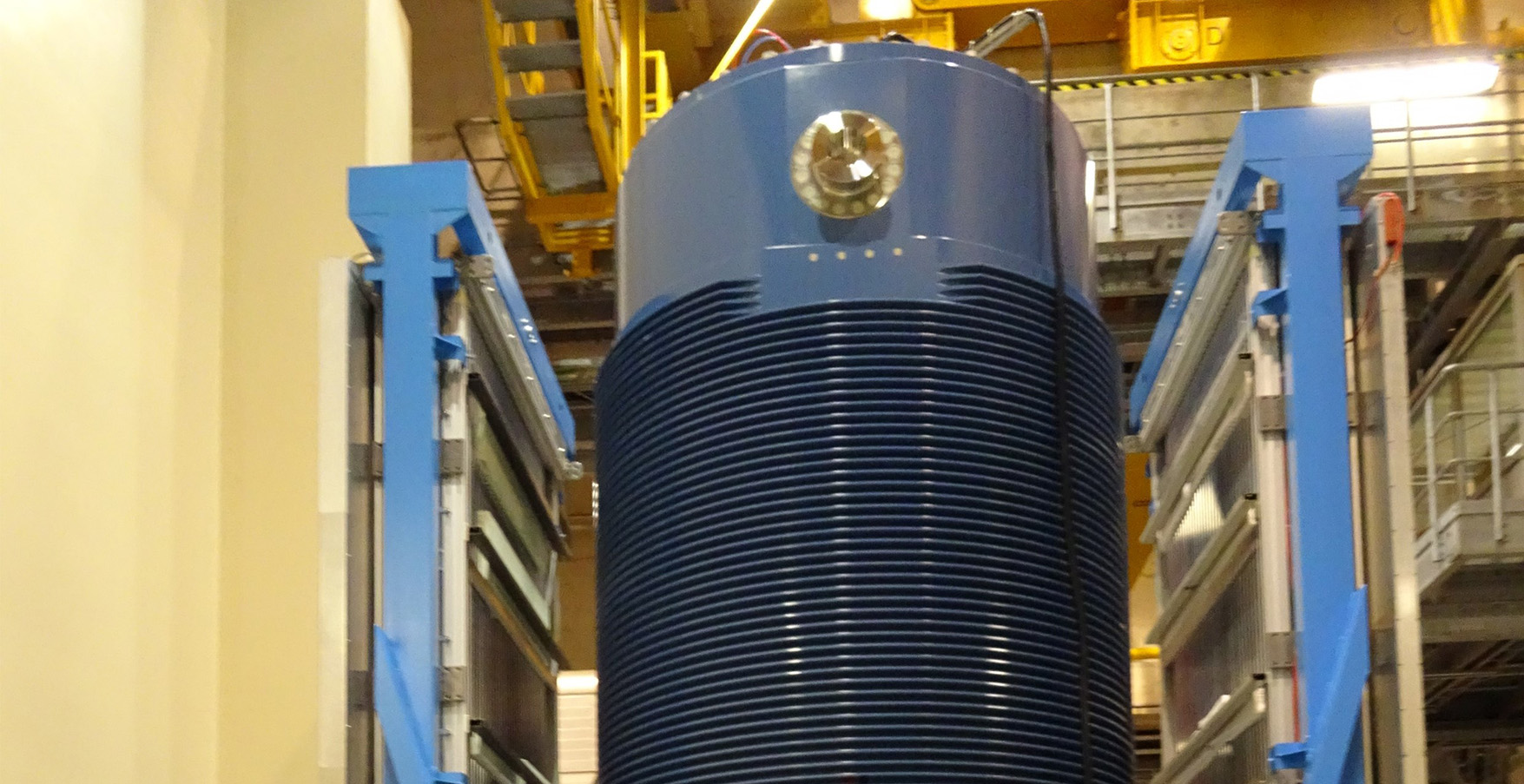
The INFN-E strategic project encompasses expertise and develops technological applications in the field of nuclear energy and related issues.The main activities of INFN-E are focused on:
- Nuclear measures and controls (safety and surveillance of radioactive material deposits and nuclear plants)
- Fusion technologies
- Physics and innovative fission plants
LATINO
LATINO is an open research infrastructure that makes available to companies and the scientific community the advanced technologies and expertise developed in the field of particle accelerators for research, medical and industrial applications. It consists of four laboratories: Radio Frequency, Magnetic Measurements, Vacuum and Heat Treatments, and Integration, and provides a wide range of services in these four areas.