








A procedure for obtaining high-thickness plexiglass plates, loaded with gadolinium oxide in nano-grains at high concentration. The procedure makes it possible to produce a hybrid material capable of moderating and capturing neutrons with high efficiency.
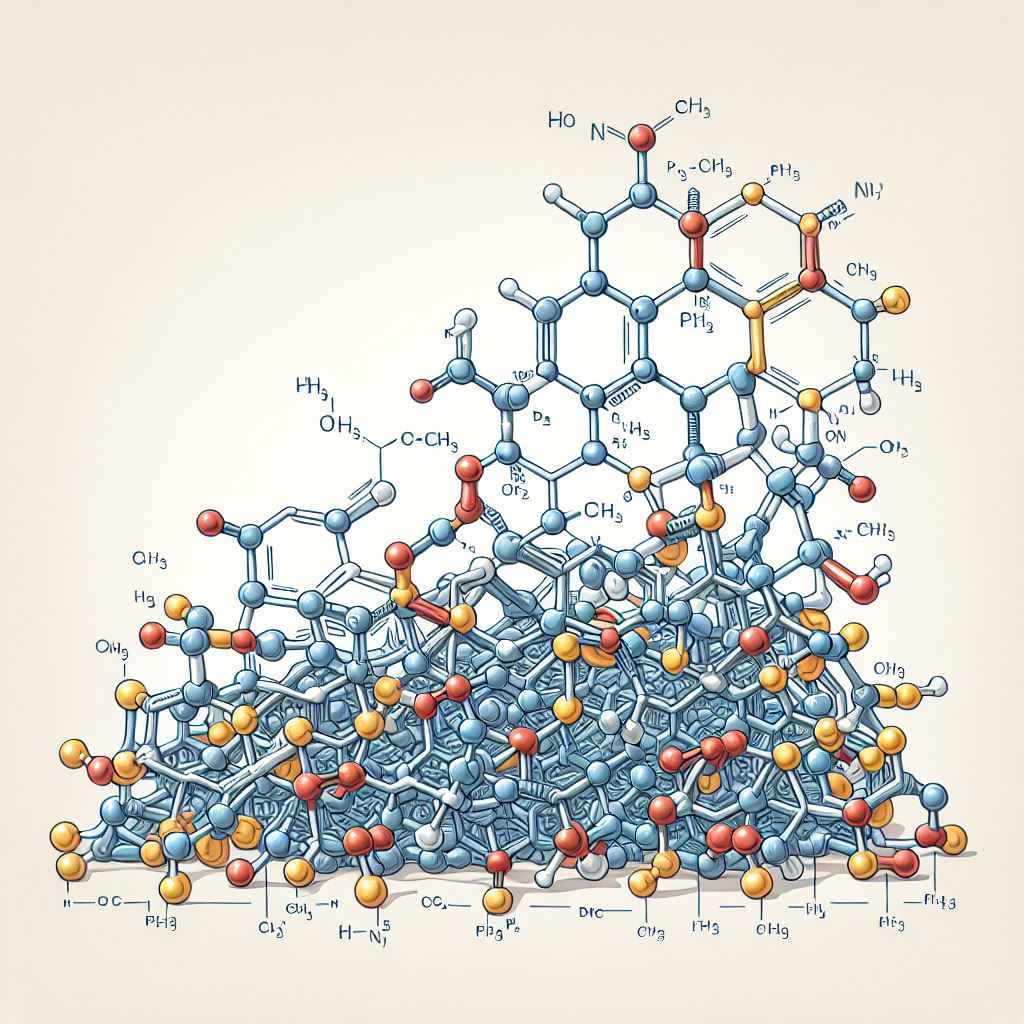
How does it work?
In the context of the development of a neutron detector, a procedure was invented to obtain plexiglass plates up to 20 centimetres thick, loaded with gadolinium oxide nano-grains. A colloidal dispersion of the nano grains is created within the starting monomer, followed by a particular polymerization procedure. To achieve a uniform distribution of gadolinium oxide at high concentration, higher than 1% by mass, the surface of the nanoparticles is treated, in such a way as to minimize the formation of aggregates and prevent them from settling. This results in a hybrid plastic material with a uniform gadolinium distribution and excellent mechanical properties, in particular good tensile strength and scratch resistance. Moreover, the material is easily machinable, can be thermoformed and is resistant to cryogenic temperatures. The simplicity and flexibility of the procedure also allow the material to be produced at an industrial level, on a large scale. Finally, it is possible, for specific applications such as rare-event physics experiments, to produce the product with extremely low levels of radio-purity.
Applications
- High-efficiency neutron detectors;
- Experiments for the search for dark matter;
- Environmental and nuclear reactor monitoring;
- Nuclear non-proliferation control;
- Machine control systems for oncological hadrontherapy or medical physics.
Advantages
- Gadolinium integrated into the plastic material;
- Massima flessibilità in forma e dimensione;
- Easy to machine;
- Resistant to cryogenic temperatures;
- High radio-purity;
- Economical to create.
ADDITIONAL DETAILS
PATENT OWNERS
INFN and UNIGE
PRIORITY NUMBER
IT 102021000028130
TECHNOLOGY SECTOR
Chemistry and new materials
TT CODE
P_21.071
CONTACT US
For more information about this technology, WRITE TO US

