








10 Jul Copyright
Papers, software, graphs, images: scientific production is also made of creative works. this is why protecting copyright is essential to ensure recognition, dissemination and impact of research results
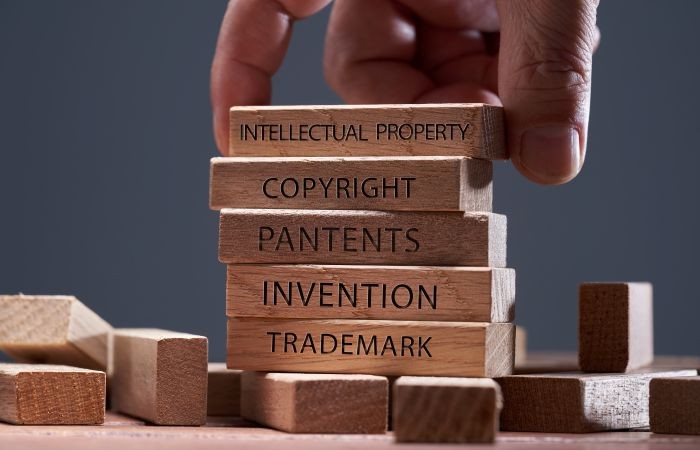
Intellectual property
The work of researchers does not only increase our understanding of the world and the laws that govern it. It also generates a multitude of knowledge and technologies that can find applications in everyday life: papers, software, graphs, databases, images. All these products are part of a universe that is often not very visible but precious: that of intellectual property.
Within this area, a fundamental part is represented by copyright, which protects the most creative component of research work, and which, precisely for this reason, deserves attention and awareness.
When we talk about “intellectual property”, we refer to two broad categories:
- Industrial property, which concerns patents, trademarks, industrial design (technological innovation in the strict sense);
- Copyright, which protects intellectual works of a creative nature, such as literature, music and works of art, but also software, scientific articles and databases. Its peculiarity is that it does not require a formal deposit, since the rights are born at the very moment of creation of the work.
Moral and patrimonial rights
For each copyrighted work there are two types of rights:
- Moral rights, which always belong to the author (unless he explicitly renounces them while he is alive), to whom they guarantee the recognition of the authorship of the work and the possibility of opposing changes or distorted uses. They are inalienable and have no expiration date.
- Patrimonial rights, on the other hand, concern the economic exploitation of the work: its publication, reproduction, modification and translation. They represent an intangible asset that can be transferred, licensed, or exchanged, and are limited in time (in Italy they last up to 70 years after the death of the author). An example is the license to publish a scientific article, through which the author transfers the property rights to a publisher, while maintaining the authorship of the work.
Copyright and scientific research
In the framework of scientific research, it is essential to find a balance between two complementary needs: on the one hand, to protect the copyright of those who produce knowledge; on the other hand, to ensure the maximum dissemination of the results, following the principles of open science, which INFN shares and promotes.
In fact, scientific work generates numerous works covered by copyright: scientific papers, computer programs and databases but also images, graphs, presentations. All materials that it is important to recognize as such and make accessible in the most effective and responsible way possible.
For researchers, the publication in a peer-reviewed journal is the main channel for making the results of their work known and gaining recognition in the scientific community. Precisely for this reason, it is essential that the moral rights of copyright are protected. However, the accessibility of articles is often limited by the high subscription fees imposed by scientific journals, which not all institutions can address. This is why it becomes important to adopt open access publishing models, i.e. in journals that make articles freely available to anyone.Moreover, it is also possible to release scientific contents on open access repositories, attaching a specific license that regulates heir use.
Creative Commons (CC) licenses represent a flexible and internationally recognized solution: they allow the free sharing of works, establishing clear conditions on use, such as attribution of the author, non-commercial use or the obligation to share according to the same license.
In the case of software developed for scientific research, in addition to the dual need to recognize the author and ensure the dissemination of knowledge, the possibility of marketing the software to third parties could also arise. According to the law on copyright (Law 633 of 1941 and subsequent amendments), the patrimonial rights of a software developed on behalf of and at the expense of a public body, as in the case of codes created within the INFN research activities, belong to the same body, which can therefore distribute the software under a specific license. INFN’s policy in this sense is to use an open source copyleft license, i.e. to make the source code freely available, while maintaining the author’s acknowledgment and ensuring that the redistribution takes place under a compatible license. INFN has identified EUGPL (European Union Public Licence) as the most suitable license. It is also possible to provide a double type of license: open source and free for use in research and paid for commercial use.
INFN and copyright
The INFN’s Technology Transfer Service and Open Science Workgroup are working together to create a balance between authorship recognition, copyright protection and knowledge dissemination
A careful and conscious copyright culture is now more necessary than ever to give value to research, promote collaboration and maximize the impact of the works born in the laboratories, projects and minds of those who do science.

